Reflections on Six Months in Remission
Welcome to Remission Station
When you were plucked from your life and dumped onto the cancer train all those months ago, you were mad. Your life was ticking along just nicely, thank you very much, and to return to that life you’d have to undertake a gruelling journey to reach the promised land of remission. At the remission station, you’d breathe a sigh of relief, reclaim your life, and put all this nonsense behind you. You’d then pursue your dreams and live your best life because cancer stories either end tragically or with a newfound appreciation for life. Right?
But you’ve been in remission for around 6 months now and it hasn’t felt that way. You were chucked off the cancer train as quickly as you found yourself on it, the reverberations of it whooshing away ringing in your ears. Disorientated, alone, and bruised from the ride, you looked up from the remission platform and realised you were far from the life-before-cancer station you had hoped for. Everyone you called from the platform was so happy, their relief palpable in the air, making your numbness even more perplexing. Shouldn’t you have been ecstatic? Or at the very least grateful to be off the train?
Unravelling Expectations and Escalating Overwhelm
But, in truth, you didn’t feel like celebrating. You just wanted to lie in a darkened room and sleep for days. You were angry because you never wanted to be on the train in the first place. After a year of phone calls, appointments, drugs, hospitals, and chaos, the eery silence of the station platform was deafening. Only the moon lit up a small way ahead, your battered body unable to summon the strength to move towards it.
During chemo you tried so hard to keep everything going, but you see now that nobody was really expecting anything from you. Shielding meant there were no trips to plan, and all day-to-day stressors were removed as your amazing support team took over practicalities. Arrival in the remission world brought a swift shift in expectations, namely “You’re all good now! You can resume your life and responsibilities from where you left off.”
But life had other plans and wasn’t going to slow down for you to pick up the pieces. Celebrating the end of a painful, unwanted journey felt strange. When covid and a family bereavement cut those celebrations short, the return to ‘normality’ felt cruel. Not that you could remember what normal was anyway; cancer had followed swiftly on the heels of the pandemic after all.
Remission started to feel like using a Mac after a lifetime of using Windows – everything you need is there, just in different places, making tasks slower and more frustrating, even more so when your chemo brain lingered on. You become scared that you’re broken in some intangible way. There’s no going back to life before; you’re a different person now, but you can’t articulate how or why. Putting the pieces of your life back together is harder when the pieces have changed shape. You feel completely overwhelmed.
Balancing Worlds
Cancer treatment is a harrowing experience, yet the process is relatively straightforward (relatively being the key word). You place your life in the hands of the experts and do whatever they tell you to do. Amidst the relentless assault of the drugs on your body, the appointments become your anchor in the stormy sea of your mind.
Initially, respite from the hospital post-treatment is a blessing, but it quickly becomes a curse when panic rises in your throat at the site of an oncology sign. The frequent blood tests and check-ups mean you’re not really done with it at all, are you? Six months ago, you were so in the thick of it, you were ready to accept whatever they told you about the scan. Now the fear of relapse sneaks up and pounces as soon as you have stuff to lose again.
Many imponderables come with a cancer diagnosis, but I know you made sure to ponder them anyway. You never anticipated that life after cancer would be harder though, did you? When you survive what could otherwise have been fatal, your new remission job description goes something like this:
Normal life, which includes work, relationships, housework, socialising, family time, and the usual day-to-day stressors (which are now harder in your vulnerable, exhausted state). Dealing with the complexities of recovery, managing lingering chemo side effects (which are startlingly like lymphoma symptoms – for months you’ve been trained to report any new twinge to the helpline, now you’re on your own), grappling with changing body image, and returning to the scene of the crime for regular check-ups on the oncology ward. This is all while being expected to seize each day, process the magnitude of what just happened, and figure out why living your best life involves paying so many bills. In short, life post-cancer is undoubtedly tougher than it was before.
There are two worlds – the cancer world and the normal world – and it’s lonely being the only one in your circle who straddles both. The transition between them is jarring, shifting from a sunny office to the suffocating heat of the chemo ward and back. There’s a cost of survival and in the long, hard, slog of remission you’re finding out what it is.
Advocating for Yourself
You soon become aware of the pressure on cancer patients to bounce back and make the most of their second chance, despite their bodies groaning under the strain of recovery. Putting it all behind you and pretending nothing happened seems expected, but something did happen, and something traumatic at that. You may try to forget, but your body remembers, tensing during cancer storylines on TV, or when passing by the hospital on significant anniversaries. You feel so fragile, a slight tap causing tears to tumble. Guilt washes over you as you watch a documentary about a patient dying of cancer. All she wanted to do is live, yet here you are feeling utterly miserable.
When you feel like this, hearing others tell you how fantastic it is that you’re in remission makes you question your sanity. It feels like a well-meaning form of gaslighting, widening the chasm between how you feel and how everyone thinks you should feel. You’re still you, but you’ve now added ‘person who beat cancer’ to your identity, which means people are both in awe and terrified of you. You’re scared too sometimes, because cancer isn’t just a theoretical possibility anymore, but a reality where one dodgy blood test could whip you back onto the cancer train.
To make others who haven’t been on the train yet ‘get it,’ you must explain the ride to them, but constantly having to advocate for yourself is EXHAUSTING. It hurts when others seem reluctant to acknowledge your journey, yet sometimes there’s too much to say, so you end up responding ‘fine’ when asked how you are. It’s hard to explain why you’re not fine, and maybe the fact that you can’t explain everything in a short sentence is enough to tell you why that is. You realise you’ve moved through the world with a certain amount of privilege, never having to advocate for your experiences or needs, and this humbles you.
Shedding Shame and Glimpsing Acceptance
Five months after finishing treatment, you see a public figure you admire, of a similar age, receive her own diagnosis. The months of hearing ‘it could happen to anyone’ and thinking ‘but it wasn’t anyone, it was me’ fade away as you witness someone at peak health and fitness, newly married, facing the same ordeal. You look at her, realising the burden of shame you’ve been carrying about your diagnosis, and understand that cancer really can affect anyone. It wasn’t your fault. This realisation relieves you of a weight you never needed to carry.
The thought of it returning makes you feel sick to your stomach, but you no longer fear the cancer world as if it’s a contagious, deathly thing, as others often perceive it to be. You still have one eye over your shoulder, to check the cancer train is out of sight, but the other is now on the near future, and the things you’re doing again that bring you joy. The long-lasting impact of your journey is unknown, but you’re resilient and strong, not broken from the ride. Deep down, below the perpetual whirlwind of emotions, you accept that cancer will always be part of your story.
New beginnings
For everyone else, remission is fantastic news. For the cancer patient, ground down and dog-tired from months of treatment, it’s a cold and broken hallelujah. When asked what the hardest part of cancer is, you bitterly respond ‘remission,’ and justifiably so. Cancer takes its toll both physically and mentally, the mental load only able to be processed post-treatment, when the unexpected and relentless attacking and drugging has ceased. At this stage, someone who ‘has been poisoned to within an inch of their life’ (as kindly pointed out by a doctor) is a shell of a person, with several ongoing side effects and a backlog of unprocessed trauma. They are NOT in the position to be going out, making the most of every minute, and living their best life. That’s a pressure you can relieve yourself of straight away.
There’s a silent struggle post-treatment for so many, a struggle that could be somewhat alleviated if the first 6 months of remission were treated as an active treatment period – an acknowledgement that you’ve just been through the mill and need time to acclimatise to ‘normal life’ again. It’s not like you’ve been on an extended holiday and need a few days to get back into the swing of things – you’ve been fighting for your very life. Plus, the life you fought for looks different now that cancer has shaken you and given you a whole new world to carry. Remission is less of an ending to a blip and more of a new beginning. Pacing yourself is frustrating, recovery fluctuates, but it gradually gets easier. In the meantime, you can enjoy playing the cancer card to dodge parking tickets.
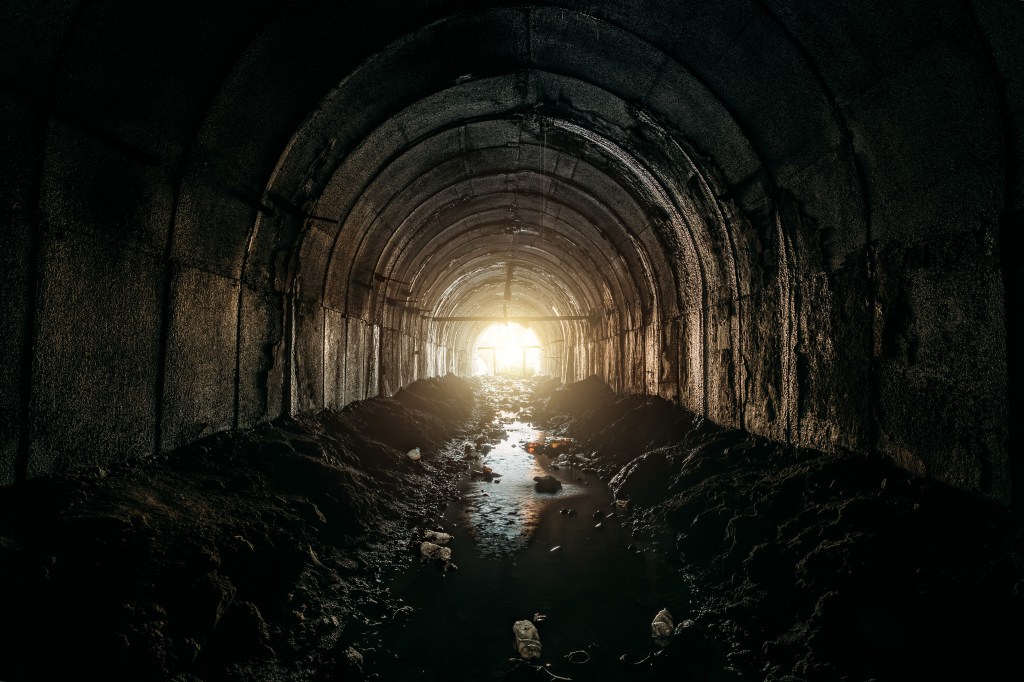
Finally, at the 6-month mark, you’re starting to catch your breath and feel more like yourself again. You start to see that it really is good news that the chemo worked, although you still wish it had never been necessary. But it was, and that’s okay. The remission station resides in a dark tunnel, the promised light merely a crack, with more tunnel up ahead. Yet, more cracks of light gradually appear too. You use these glimpses to keep moving forwards, watching as plans shift from pencil to pen on your calendar, as you slowly but surely gather the strength to walk towards the light ahead.
 Laura writes...