To read my first set of observations, click here for Part 1.
So, you’ve entered the wedding world and are navigating what you want versus what’s expected or what everyone else wants you to do. You’ve agonised over the guest list and realised that things you never thought would matter actually might. You’ve set something into motion that could easily grow arms and legs if you don’t keep it in check, and you’re starting to see this is a much bigger project than you first imagined. Let’s keep going shall we?
Decision fatigue is a very real thing
We went down the DIY route, so arguably we gave ourselves more decisions than we needed to. But honestly, I think all weddings — whether it’s a package deal, a big party, an elopement or a holiday abroad — involve far more decisions than anyone can truly anticipate.
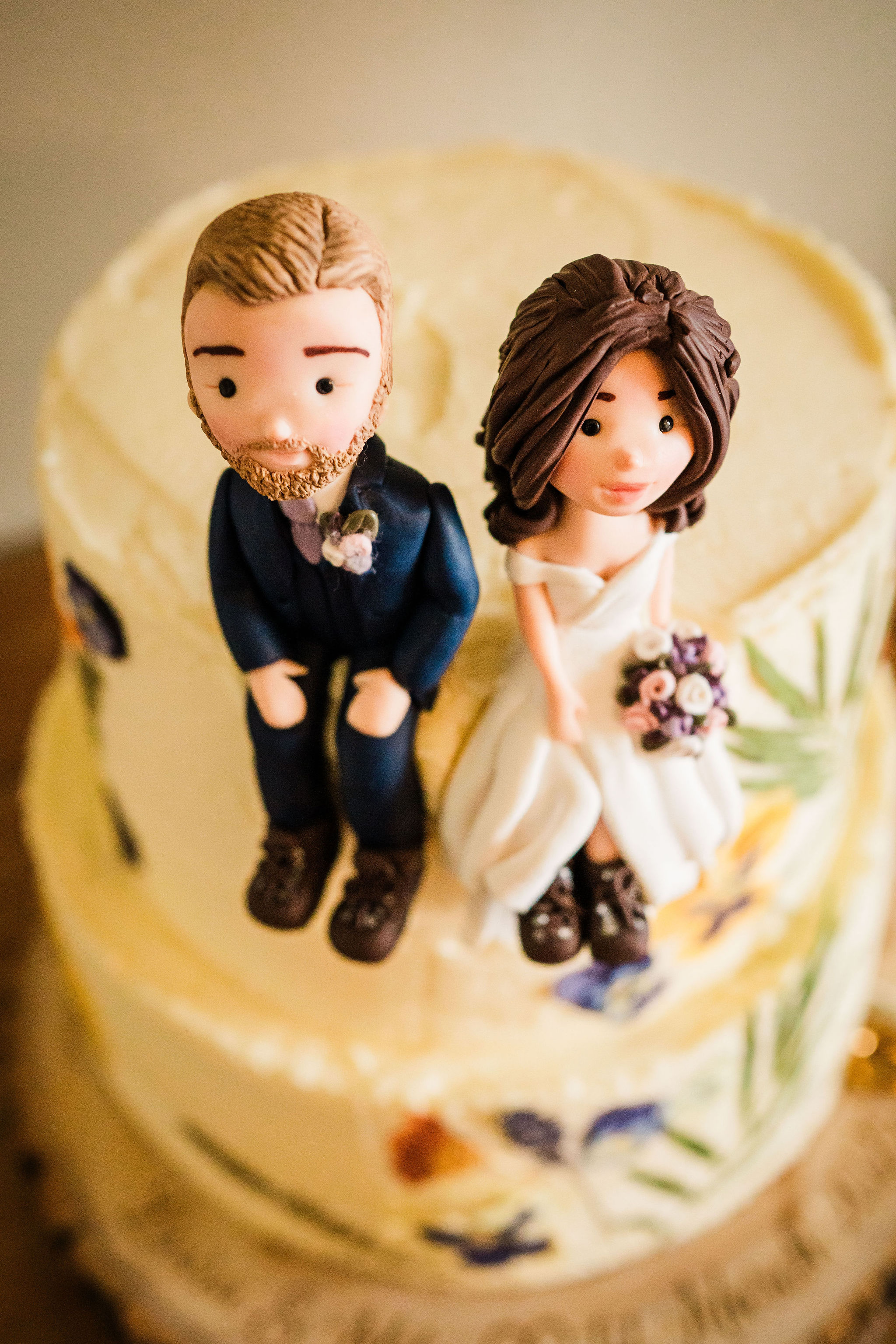
Take the cake, for example:
Are we having a cake? Cupcakes? No cake at all?
If cake — how big? What flavour? Iced? Decorated?
Do we need a topper? A board? A knife to cut it? Cutlery to serve it?
What about storage, delivery, melting, guests with allergies, leftovers?
And that’s just one element of the wedding. Even the seemingly ‘easy to tick off’ options turn into minefields. I deliberately chose the simplest invite design possible and still ended up down a stationery rabbit hole: single or double-sided? What size? Why are there so many types of paper? Why are there so many types of envelopes? Do we print names on the invite? Add RSVP slips? Pressed flowers? Ribbons? (I work in publishing and even I didn’t know there were this many stationery options.)
And that’s without touching the bigger things most of us don’t have any expertise in, like dress shopping, ceremony planning, catering for large numbers, flowers, bridal party choices, decorations… you’re trying to stay afloat in a decision sea.
Weddings make everyone a little mad
Once you’re this deep into planning — with a date, venue, and invites sent — something strange happens: you, and everyone around you, start to go a little mad.
The word wedding does something to people. It adds pressure, expectation, and logistics. Suddenly, a meal for 40 people becomes a wedding meal for 40 guests, and a taxi to the church becomes wedding transport for the bridal party. Normally, nobody would ask if the guests would be more comfortable on chair type A or chair type B, or how guests will transport themselves from A to B without becoming emotionally disoriented. But weddings change that.
A friend once told me she lost sleep over the type of ivy to put in jars on her tables because if it was wrong it might ruin the whole table’s feng shui. The exact shade of a napkin colour can start to feel as crucial as the person you’re marrying. The smallest decisions balloon into something disproportionately stressful.
It even affects the suppliers. We asked our caterer whether the plates with the hot pies could go directly on their wooden tables (to save money on hiring and cleaning tablecloths) or if we needed placemats. The response?
“I’d recommend having the pies on a plate. We won’t be held responsible if the heat damages the table in any way or if someone cuts into one and either spills the filling or damages the surface.”
“Don’t worry about the weather…”
Everyone will tell you not to worry about the weather and not to check the forecast. Everyone will say it won’t make one jot of difference to the day (“the only thing that matters is…”). Colleagues who got married on gloriously sunny days will insist it didn’t matter, whilst also reminiscing, years later, about just how gloriously sunny it was. Friends who had rainy weddings will say “it didn’t matter really” while looking away with a wistful look in their eyes.
And yet, I defy anyone not to worry.
Especially if your wedding involves multiple venues — say, a church and a reception space — because the weather might not affect the feeling of the day, but it definitely affects the logistics: can people walk between venues? Do we need umbrellas? If it snows, can we even get there? If it’s blazing hot, do we need extra drinks or shade? My overriding thought was always: I just wish we could know now what kind of weather we’re planning for.
The don’t check the forecast advice reminded me of the No Google pact we made in the early days of my cancer diagnosis — a good intention that is, in reality, impossible to stick to. Forecast-checking reached fever pitch the week before, with friends and family sending me screenshots from whichever weather app showed the most promising outlook.
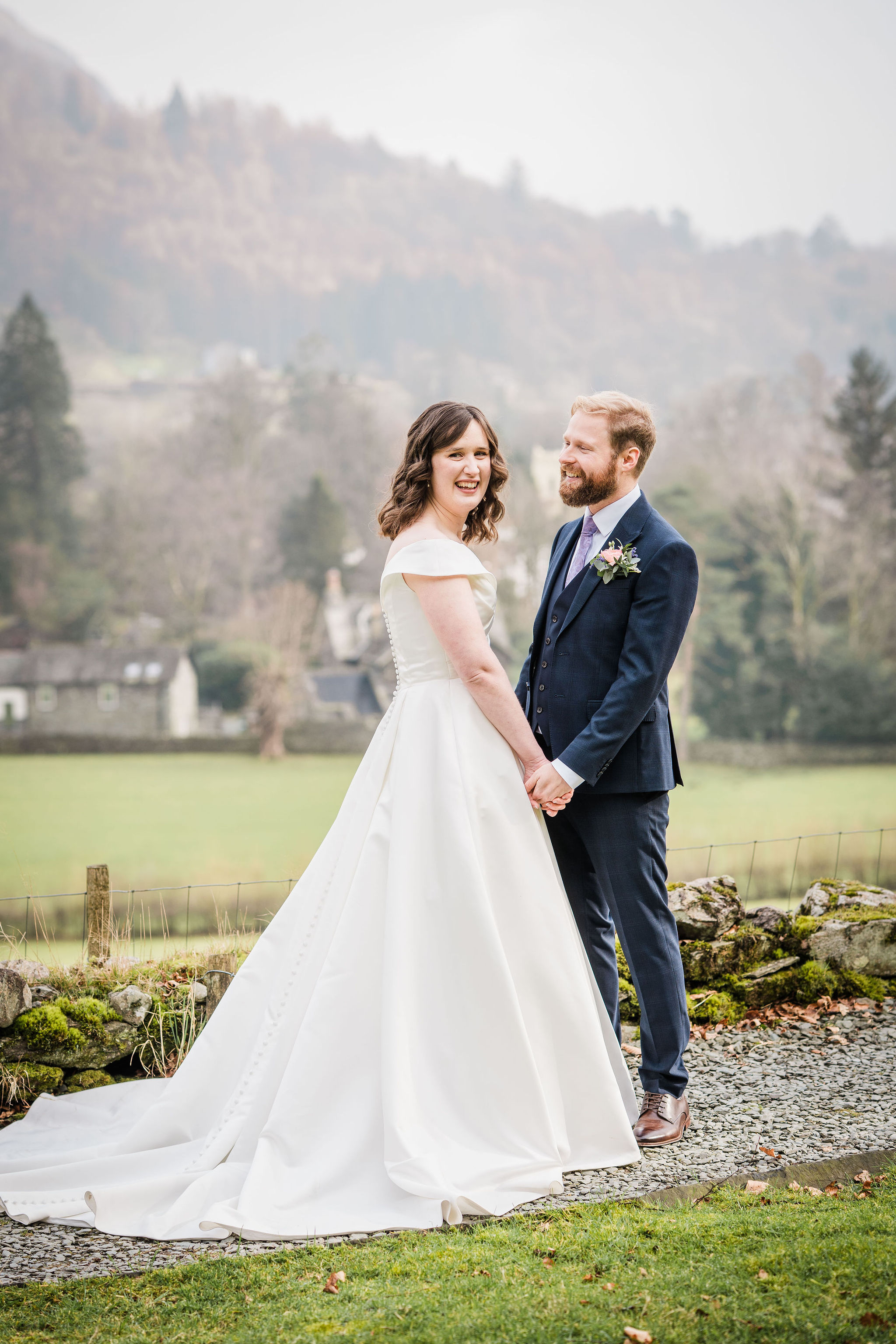
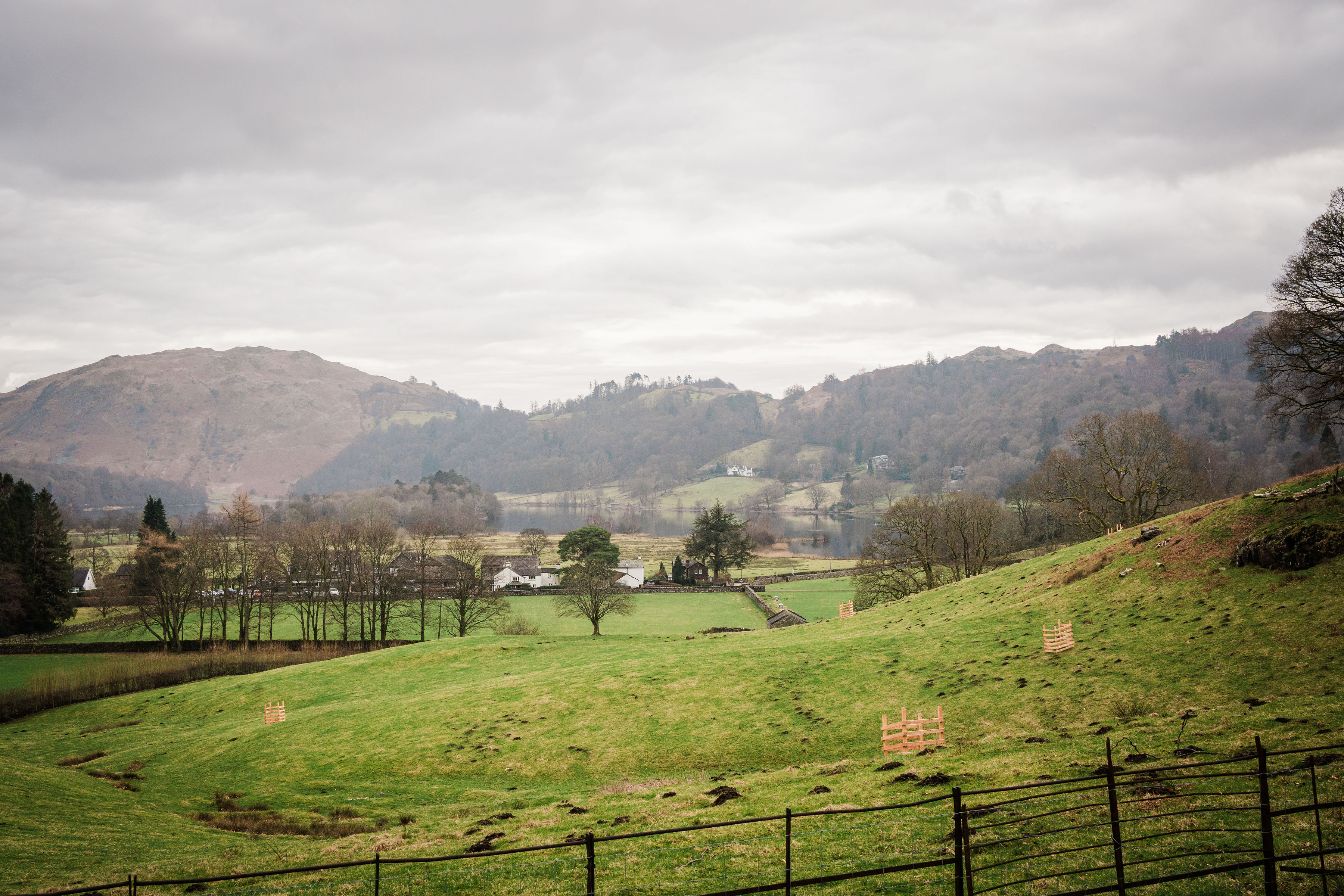
In the end we got lucky: a dry day and the atmospheric outdoor photos I’d been dreaming of. Not gloriously sunny (which I see now was probably for the best, considering how much I squint), but it suited our hilltop venue with lake view perfectly. I’d love to say I wouldn’t have minded if it rained, but I’d be lying. I really wanted those outdoor shots!
DIY wedding planning is an inherently creative process
Planning a DIY wedding is, at its core, a creative process. And like all creative processes, translating an idea into reality brings tension. I think it was Elizabeth Gilbert who said that creating something new — whether it’s a book, a painting, an event, or birthing a child — involves the same emotional friction as launching a rocket into space: it takes huge energy, there’s a lot of build-up, and things can feel chaotic before lift-off. That’s part of the deal. I found that the closer we got to the day, the more it mattered and the more pressure I felt for the vision to become real. You can be organised, prepared, on top of every list… and yet still find yourself in a rush of last-minute details, doubts, tiny tweaks and sudden ‘what ifs’.
You’re making something from scratch that’s never existed before, so of course it’s going to feel a bit wild. My friend said she found her future sister-in-law, who was getting married the next day, crying on a rock in the middle of a field. I don’t blame her. By that point the sheer cost, time and energy that’s gone into it would make anyone unravel a little, so perhaps the bridezilla label is a tad unfair. As someone put it: “Planning huge parties with multiple moving parts with the added pressure of it having to be the most perfect production you’ve ever made when you likely have zero experience doing this is absolutely going to be stressful.”
Creativity involves uncertainty, so a lot of trust has to go into the process. The plan won’t come together in the first week, or the first month. You’ve got to make a start and trust that more will be revealed as you go. People might want answers straight away, but the plan will keep evolving right up to the day itself. That’s just the nature of creativity.
There is a time when life will move on (but post-wedding anxiety is real)
In the last few weeks of planning, I genuinely couldn’t imagine a time when I wouldn’t be thinking about the wedding. It took up so much space in my mind, forming a constant hum of excitement, stress and anticipation. Would we pull it off? Were the doubters right?
But we did.
Then came the crash. A few weeks I was surprised to find my brain still circling the smallest of details. It’s the creative equivalent of launching a rocket… and then standing in silence as it disappears. Doubt creeps into the quiet: Did we forget anything? Was everyone okay? Did I enjoy it enough? And it’s all because you cared, and you probably had some image of how it should feel. There can be grief in letting go of the imagined version, even when the real thing was wonderful.
This isn’t unique to weddings. Writers feel it after finishing a book, performers after the final show, artists after the exhibition opens. I had a similar feeling when I was told I was in remission: instead of a high high, I just felt a vast open space. The adrenaline that had carried me through chemo gave way to exhaustion. Not because it wasn’t profound, but because, for a time, my whole self had been wrapped up in it — and then it was over.
Post-wedding anxiety, or the post-wedding blues, is very real. But it’s part of the process, and it passes. I see the photos every day, dotted around the house, but I don’t think about it constantly anymore. I no longer fixate on the tiny details, I just see what a wonderful day it was.
Quietly or abruptly, life moves on.
Weddings are about more than just the day
Alongside the camp of people with detailed Pinterest boards and a clear vision for their wedding day, there’s another group in the background: those who don’t really get it. Who question why anyone would spend so much money on one day. Why weddings, or even marriage, are still a thing in 2025.
I understand this. With the money you spend on a wedding, you could go abroad (several times), take on a house project, buy a new car, or invest in your retirement. If you look at it purely as a day, it really does seem a bit ridiculous.
I’m an idealist and a romantic. My husband’s more of a traditionalist. We both wanted to get married and mark the start of a new chapter in front of the people we love. I liked the idea of standing up and saying vows. I wanted to include others in that moment.
What I hadn’t anticipated is how much I’d get out of the whole planning process. Despite all the stresses mentioned above, it’s an experience I’m super grateful for having. As I was stressing to Mum about the possibility of heavy rain or some unforeseen thing happening on the day, she said “it’s not just about the day though, it’s about the planning, the build up and the excitement too.” She was right.
From choosing a dress with her, to my friends planning the most fantastic hen weekend, to all the chats I had with people along the way, food tastings, working out what I like and want, attending the lovely church services where we got married, the hair and makeup trial that restored confidence in my new post-chemo hair (and the artist by chance had a family member with the same diagnosis as me) — I had so many fun experiences that I wouldn’t have had if we’d eloped or chosen a small registry office (not that there’s anything wrong with that).
Even if I hadn’t enjoyed the process so much, I still don’t think weddings will go out of fashion. They tap into something deep and human: our need for ritual, celebration, beauty, connection, and memory-making. People need something to look forward to. But most of all, people love love.
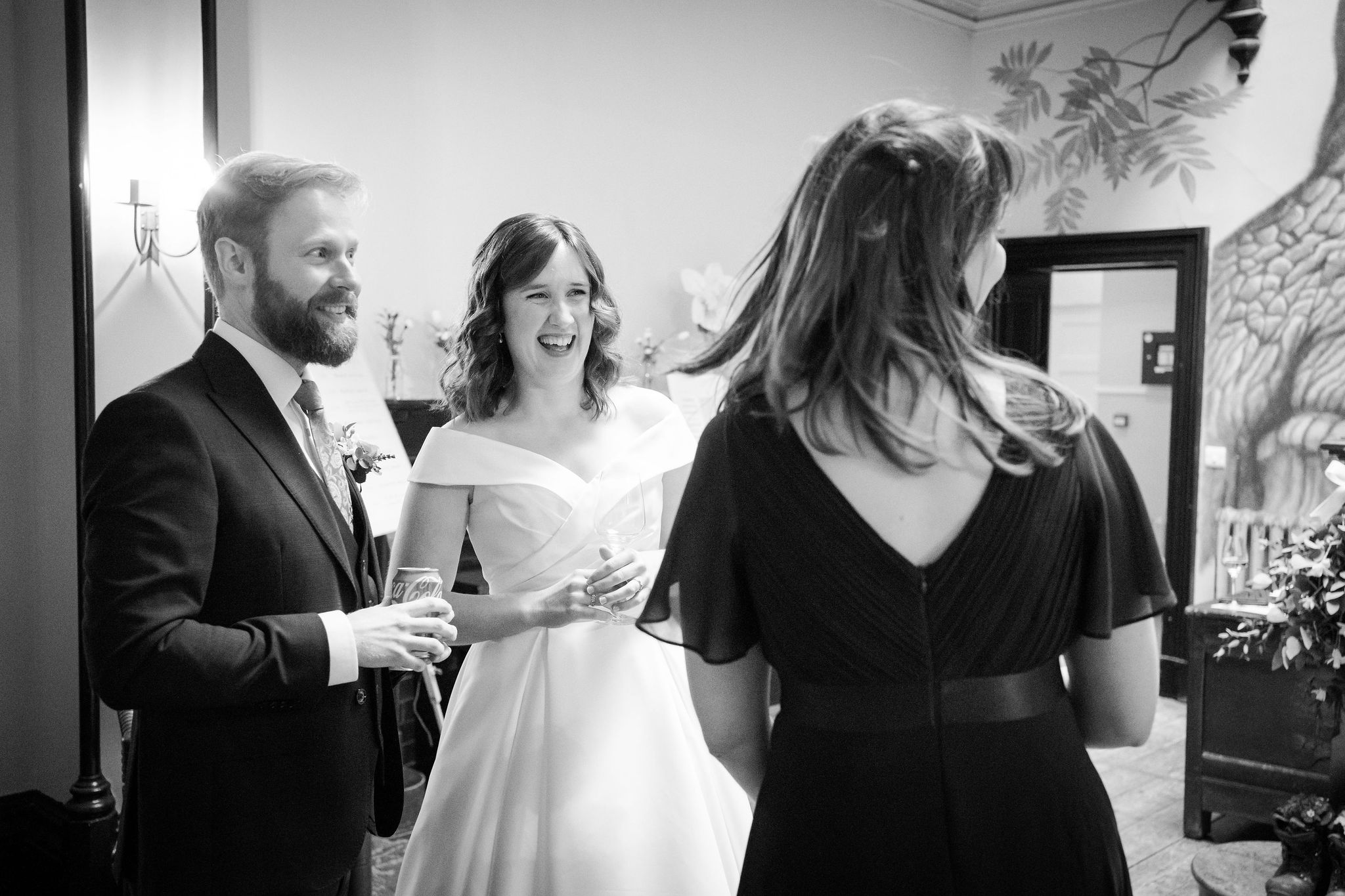
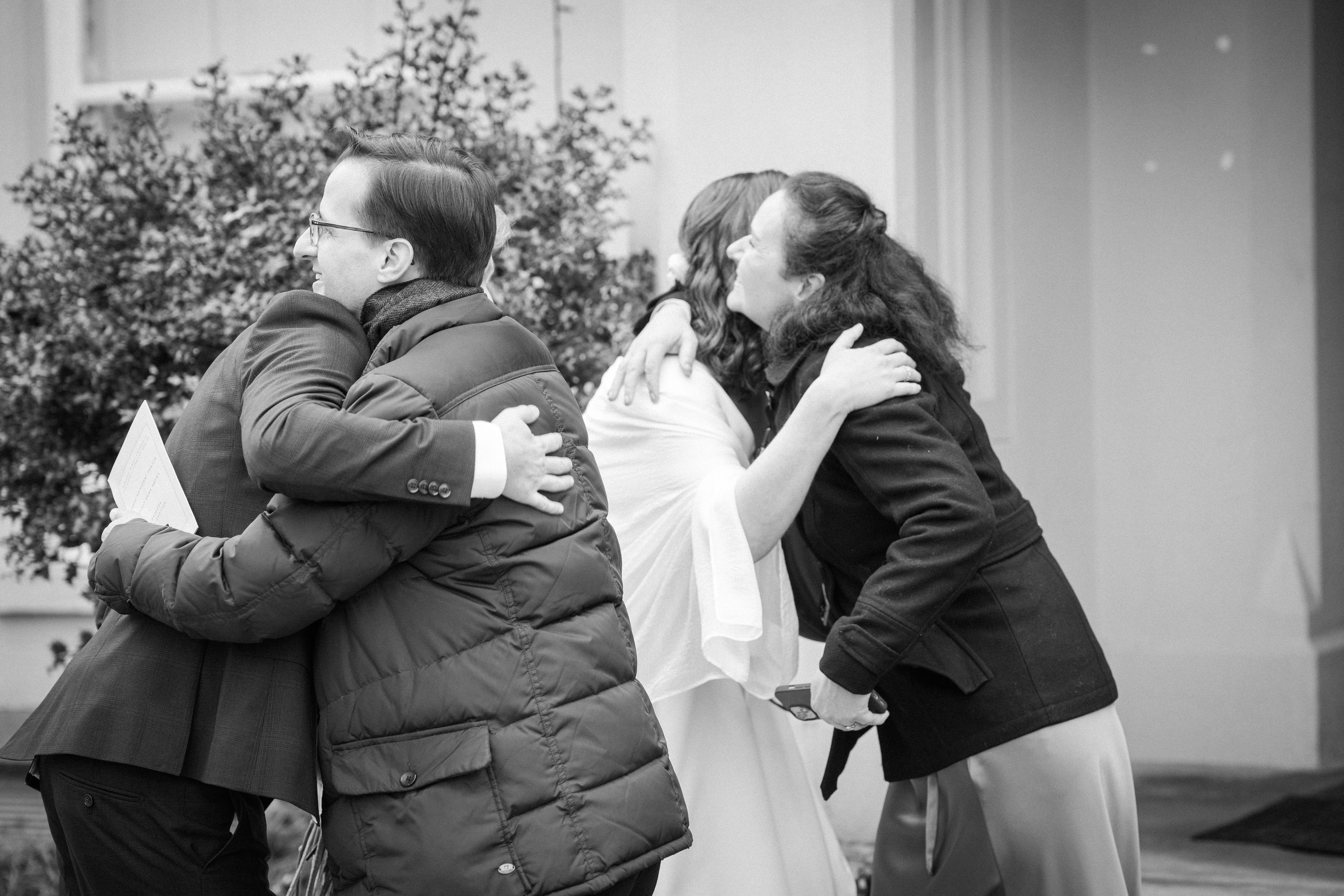
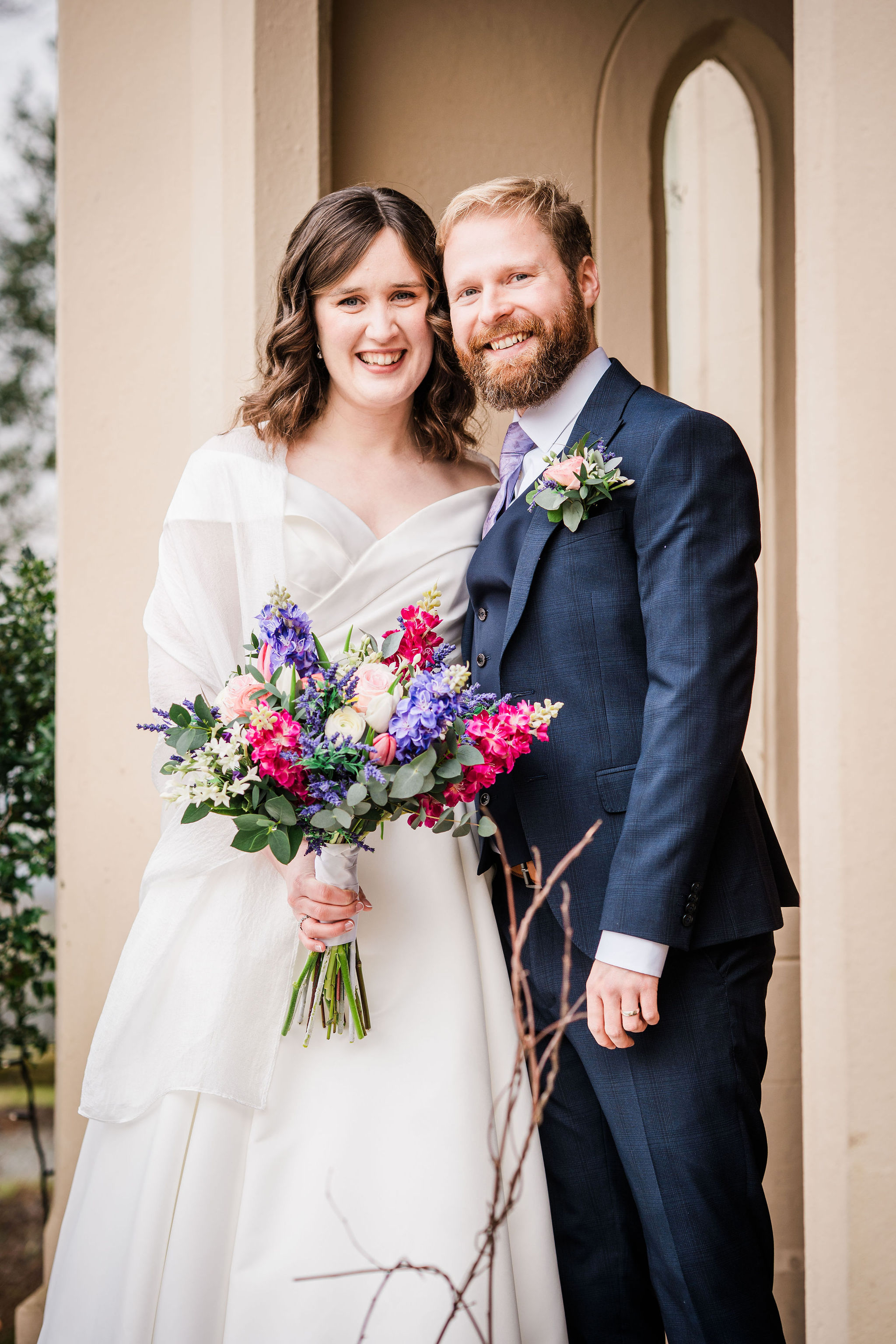
Even though we (hopefully) all know that we’re loved by the people around us, we’re sometimes taken by surprise on days like our birthdays when that love becomes visible in ways that it usually isn’t. The two times I’ve felt the most love in my life were during my cancer treatment and in the lead-up to our wedding. I see that love in the photos now, in people’s faces, in their smiles, in the effort they made and the parts they played. It was a magical day, impossible to recreate.
And to mark the start of a new chapter with so much love and so many memories, is, despite the rollercoaster described in these posts, a wonderful reason to have a wedding.



 Laura writes...
One thought on “Everything I learnt whilst DIY wedding planning (part 2)”