
Another travel blog this week — this time to the beautiful, yet underrated and unexplored (by us) area of Nidderdale. Designated an Area of Outstanding Natural Beauty in the heart of Yorkshire, it’s often overlooked in favour of the neighbouring Yorkshire Dales and Lake District National Parks.
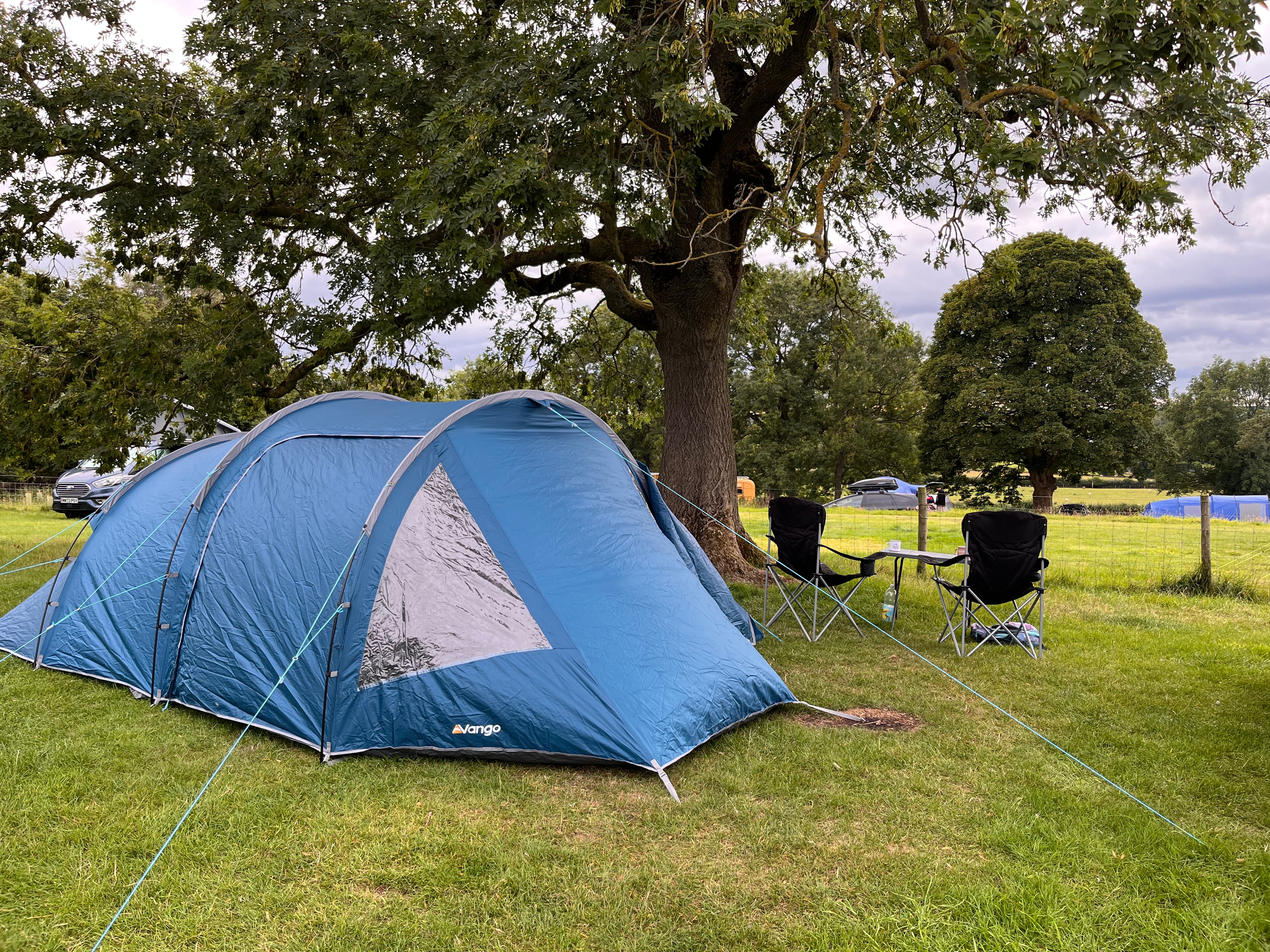
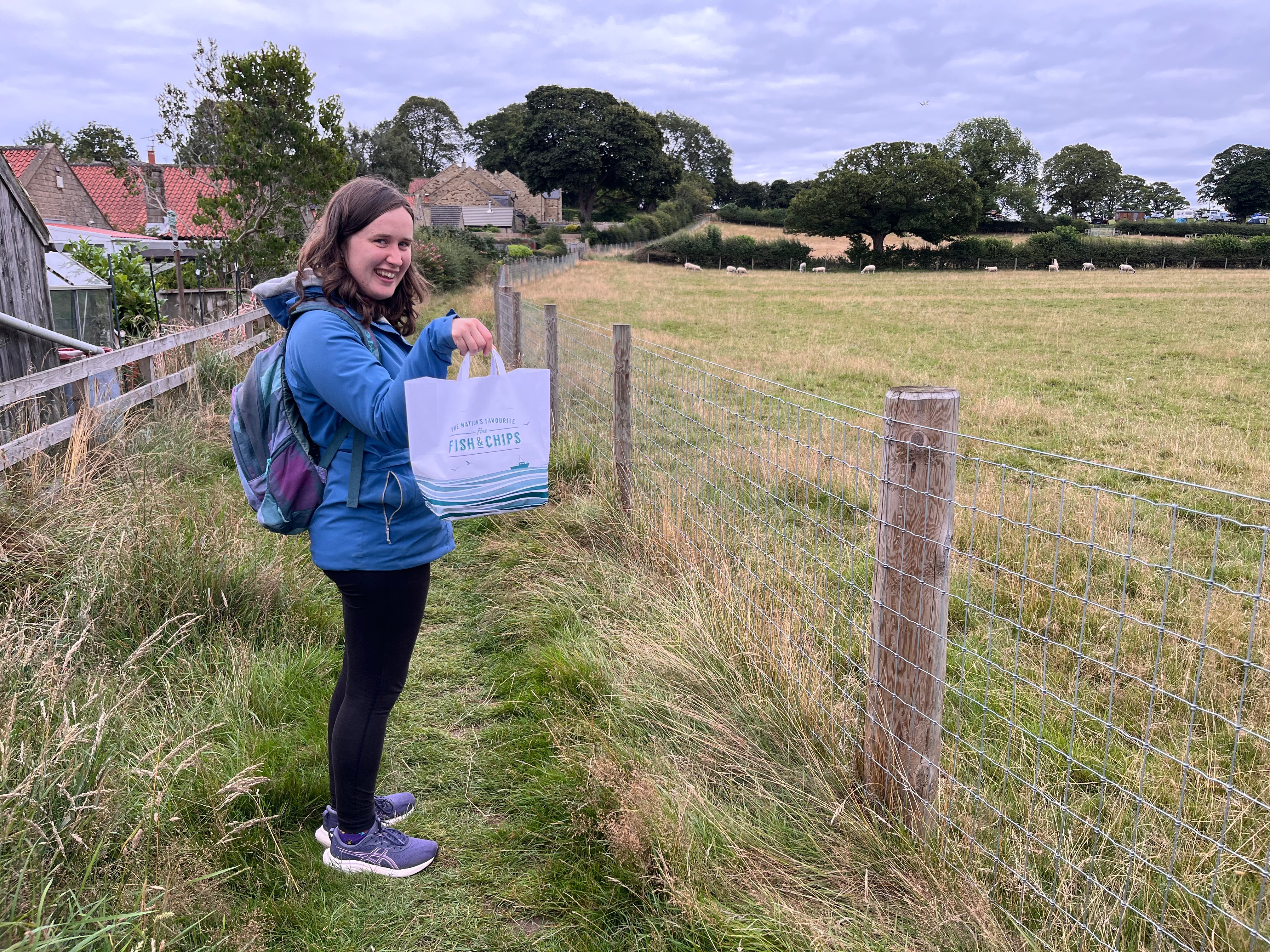
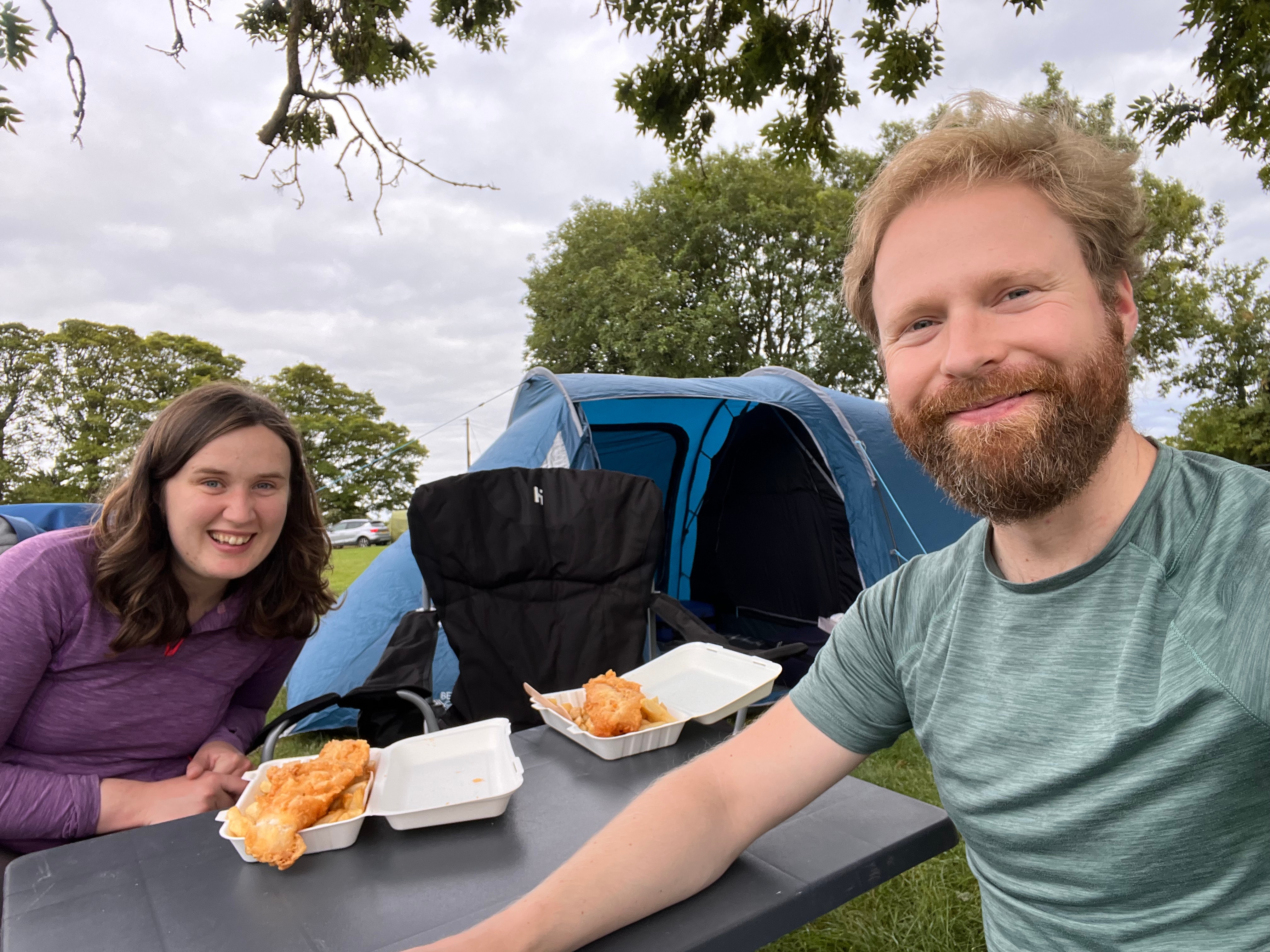
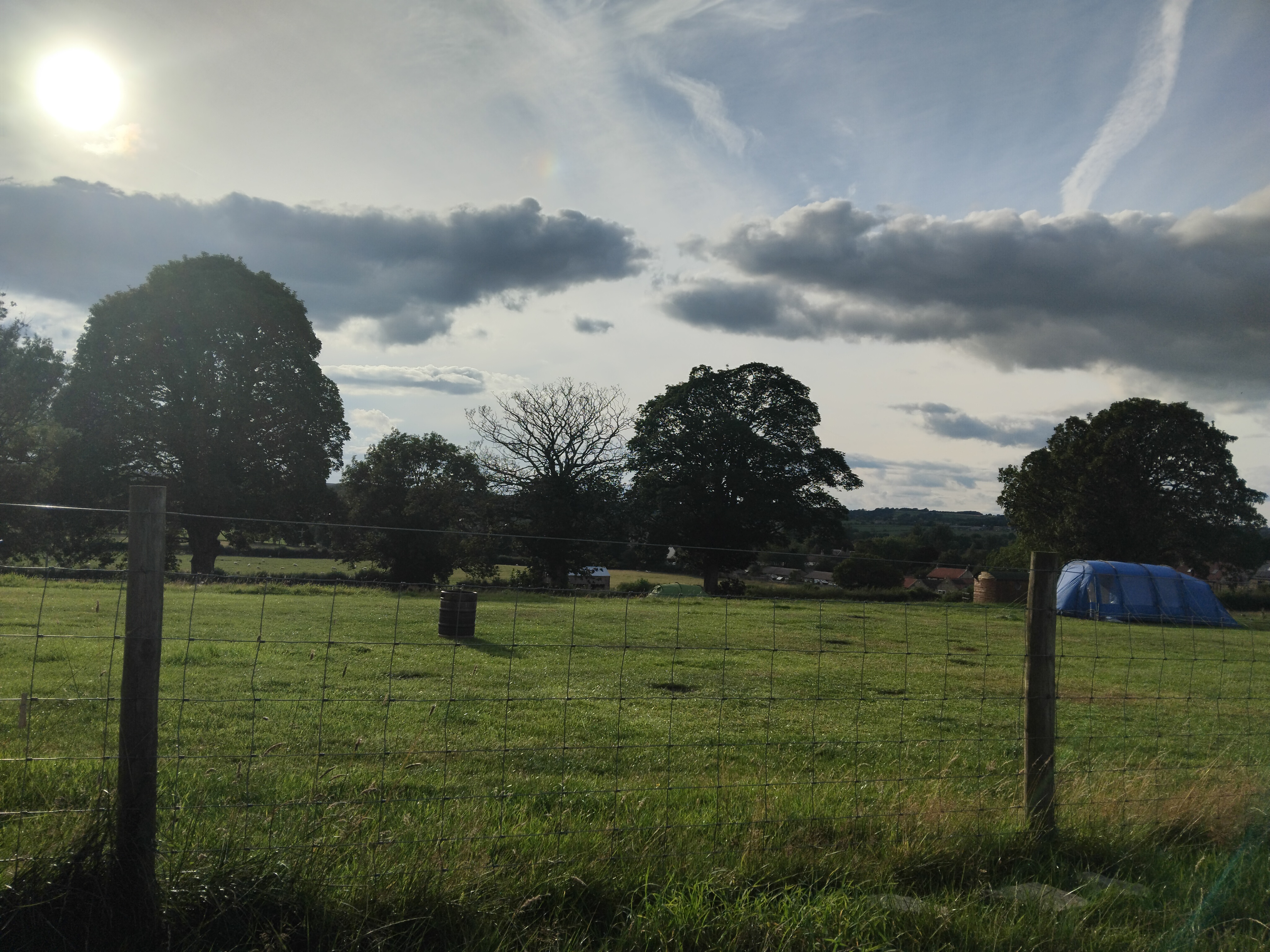
We stayed at Ivy Bank Staycation, a campsite near Kirkby Malzeard, which was a fantastic base for visiting all the local attractions (and, more importantly, only a five-minute walk from the local fish and chip shop). The facilities were great too: an onsite café and shop, firepits, wood (and hot tubs) for hire, washing-up liquid at the communal sinks, plus a toaster, microwave, kettle and WiFi in the communal room. It’s a park-beside-your-tent affair, so your experience may depend on your neighbours. We were lucky for two of our three nights — the middle night we had the company of two couples who arrived in high spirits with a BBQ and a boombox, only to leave the next morning declaring they would never do that again, after wasps invaded their tent and an argument fractured the group…

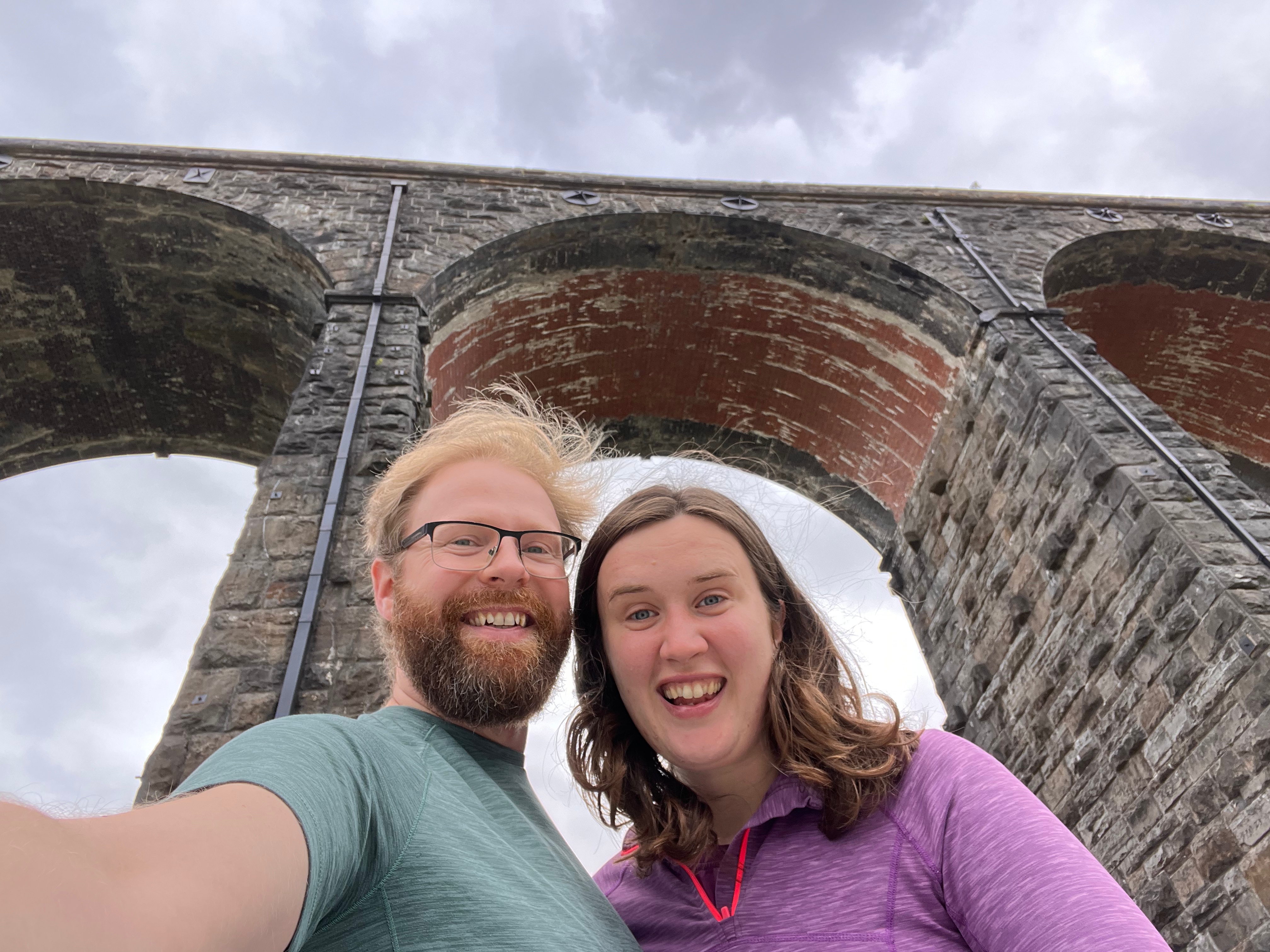
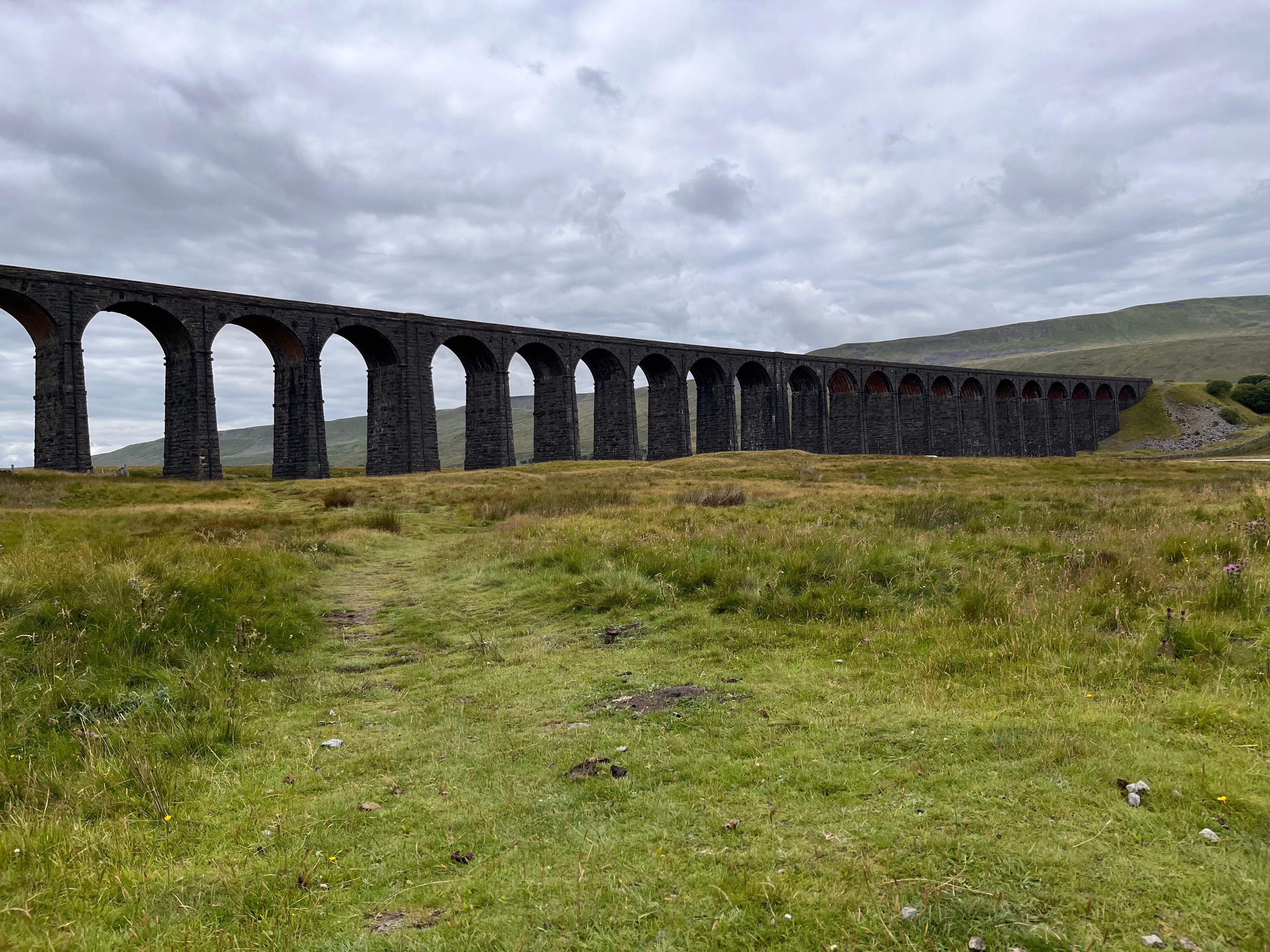
We had a couple of adventures en route to the campsite, stopping at Ribblehead Viaduct and the Forbidden Corner. I’d stayed at the bunkhouse below the viaduct on the Dales Way a handful of years ago and had been impressed by the sheer scale of the structure. Completed in the late 1800s by nearly 2,500 workers, it now carries the Settle-Carlisle railway. It took over a year to sink the foundations into the boggy landscape, but the effort paid off and now 24 arches stretch gracefully across the moody scenery.
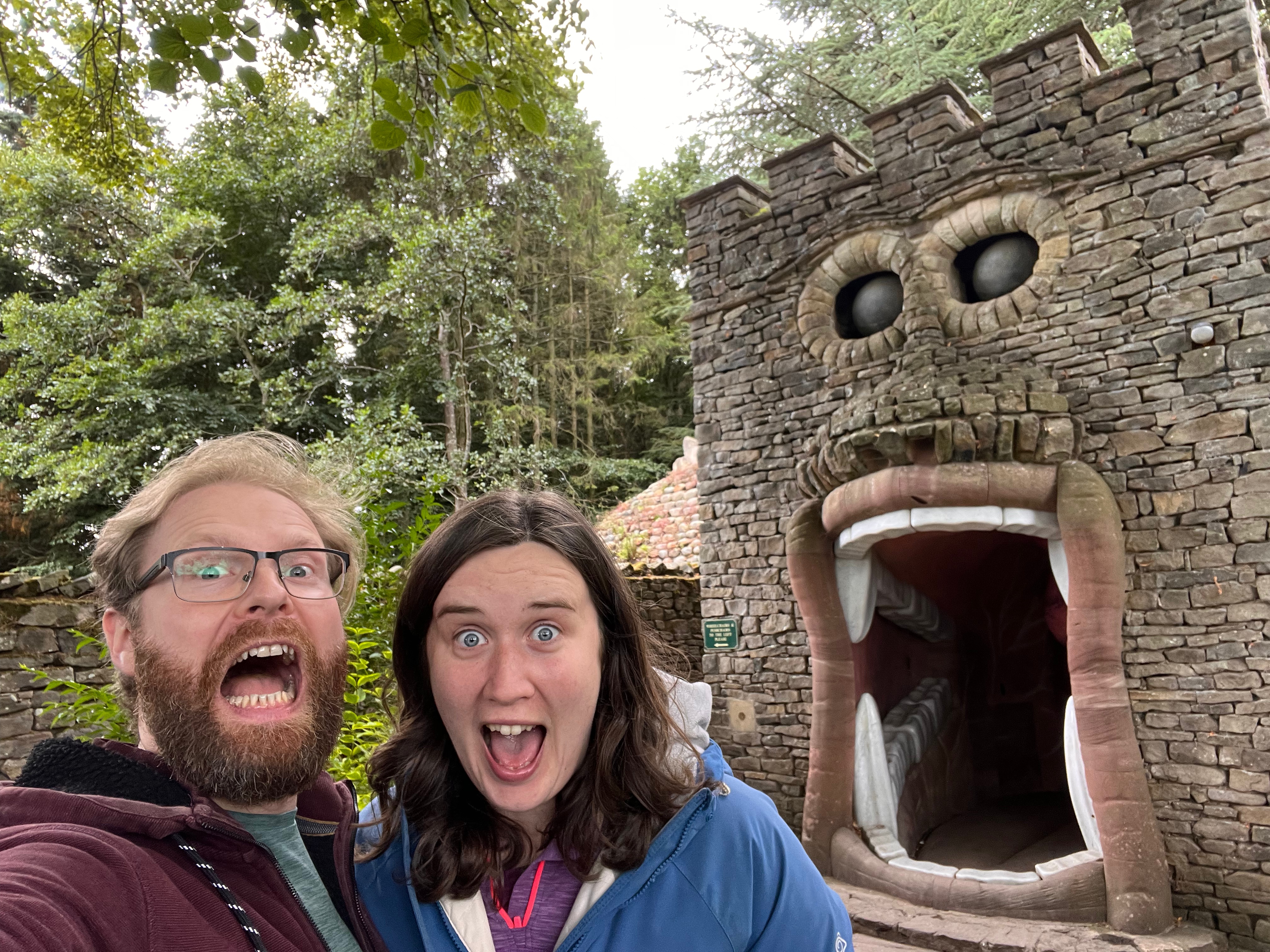
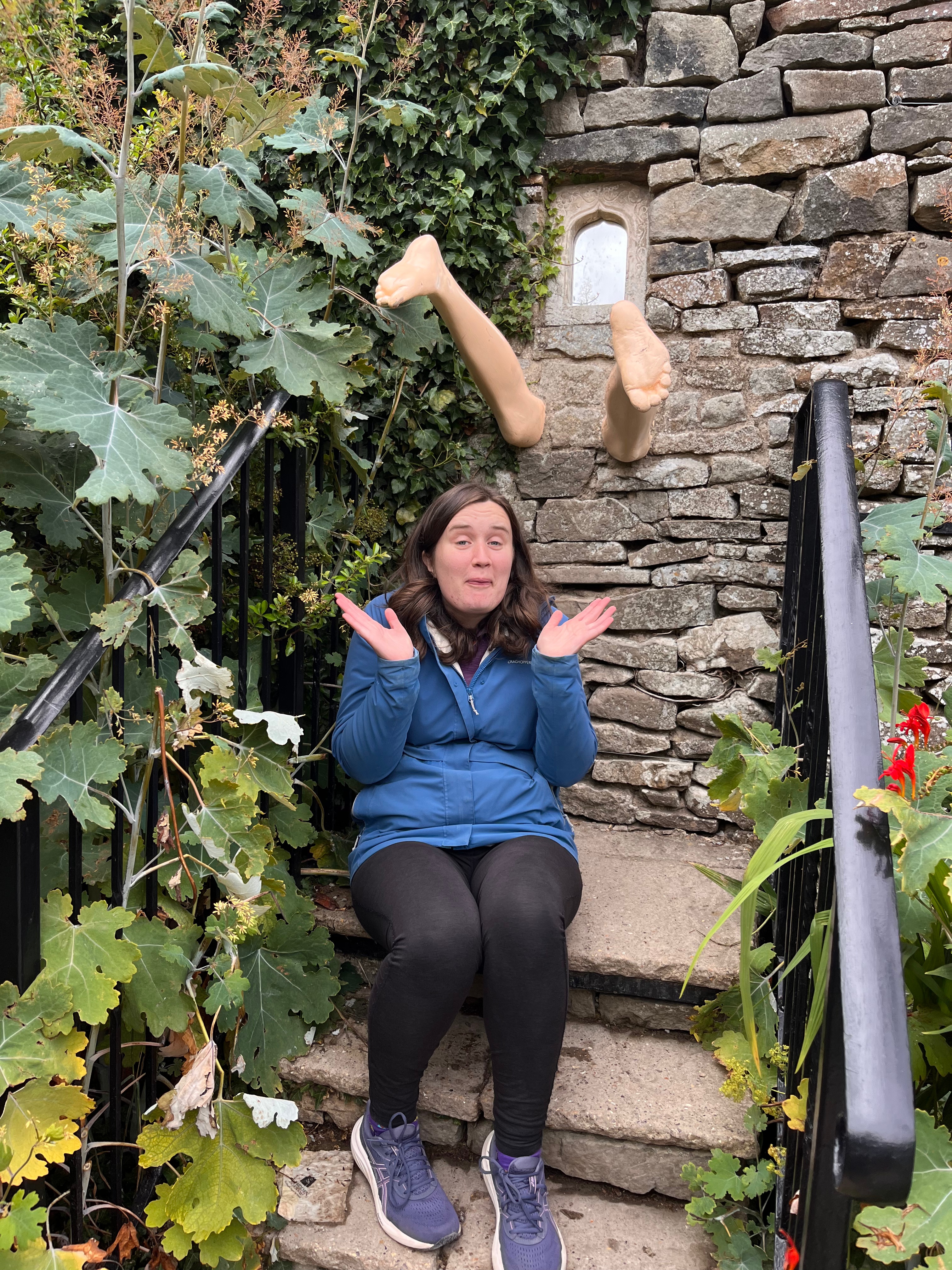
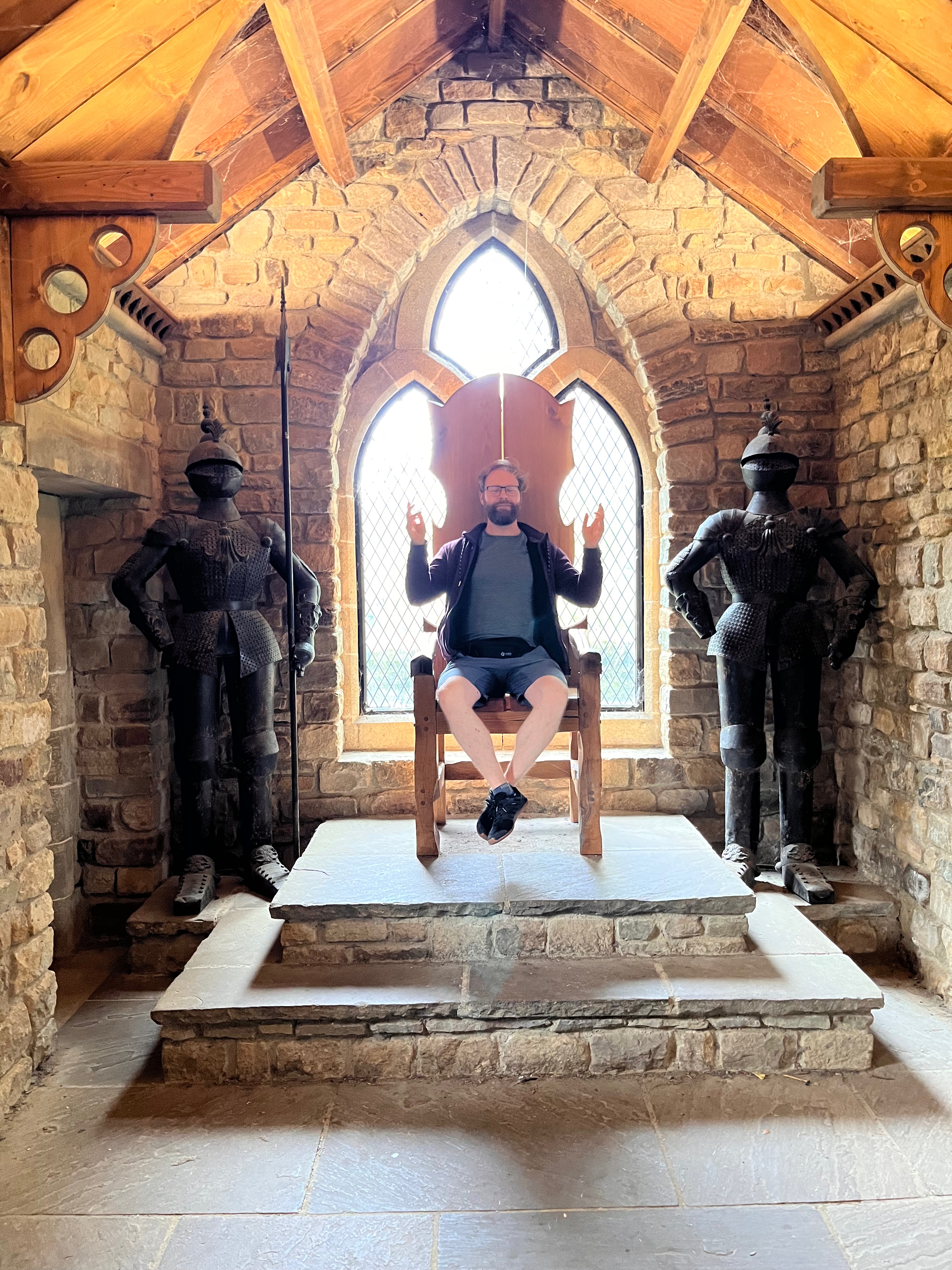
The Forbidden Corner is a trickier attraction to explain. It’s not a theme park, or a maze, or a garden, or a playpark, but it’s also sort of all of those things. There are tunnels, follies, water features, musical chambers, chapels, castles, statues and stepping stones. You enter through a giant burping mouth, and exit through a mortuary, passing rats in a classroom, an inside waterfall, a maze of doors, a dragon and countless other weird and wonderful delights. It’s fun! Make sure to buy your tickets online before you go though.

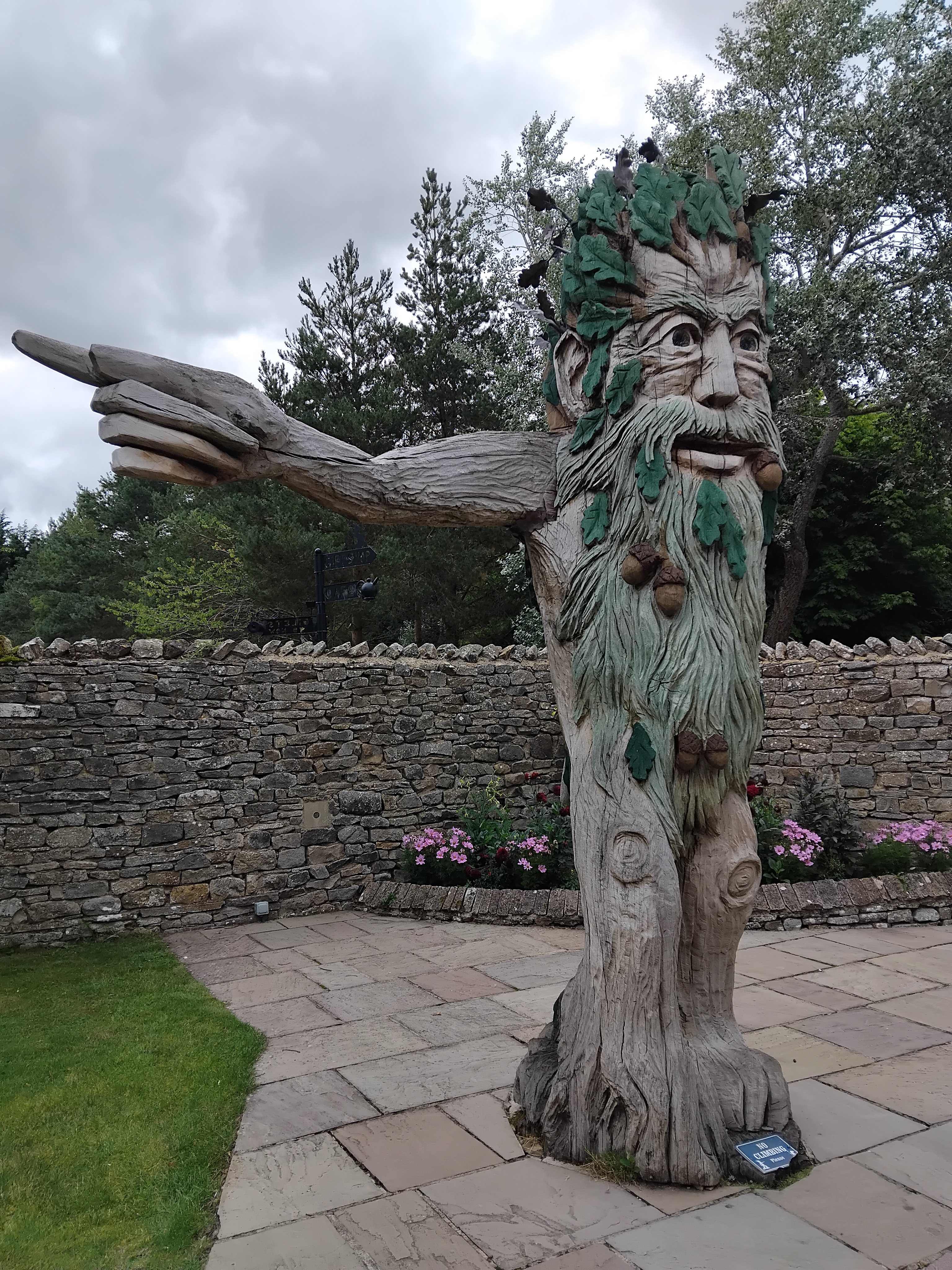
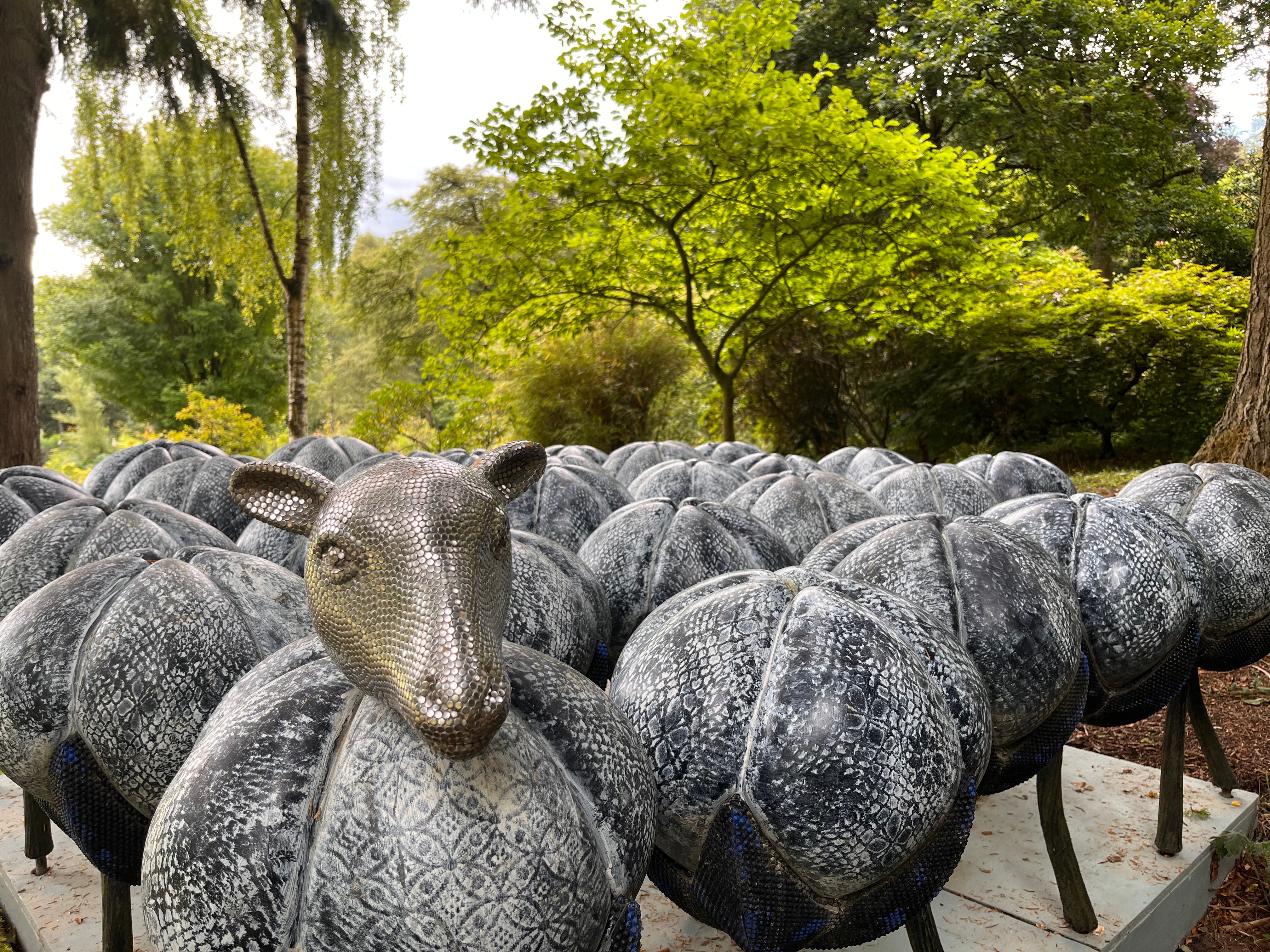
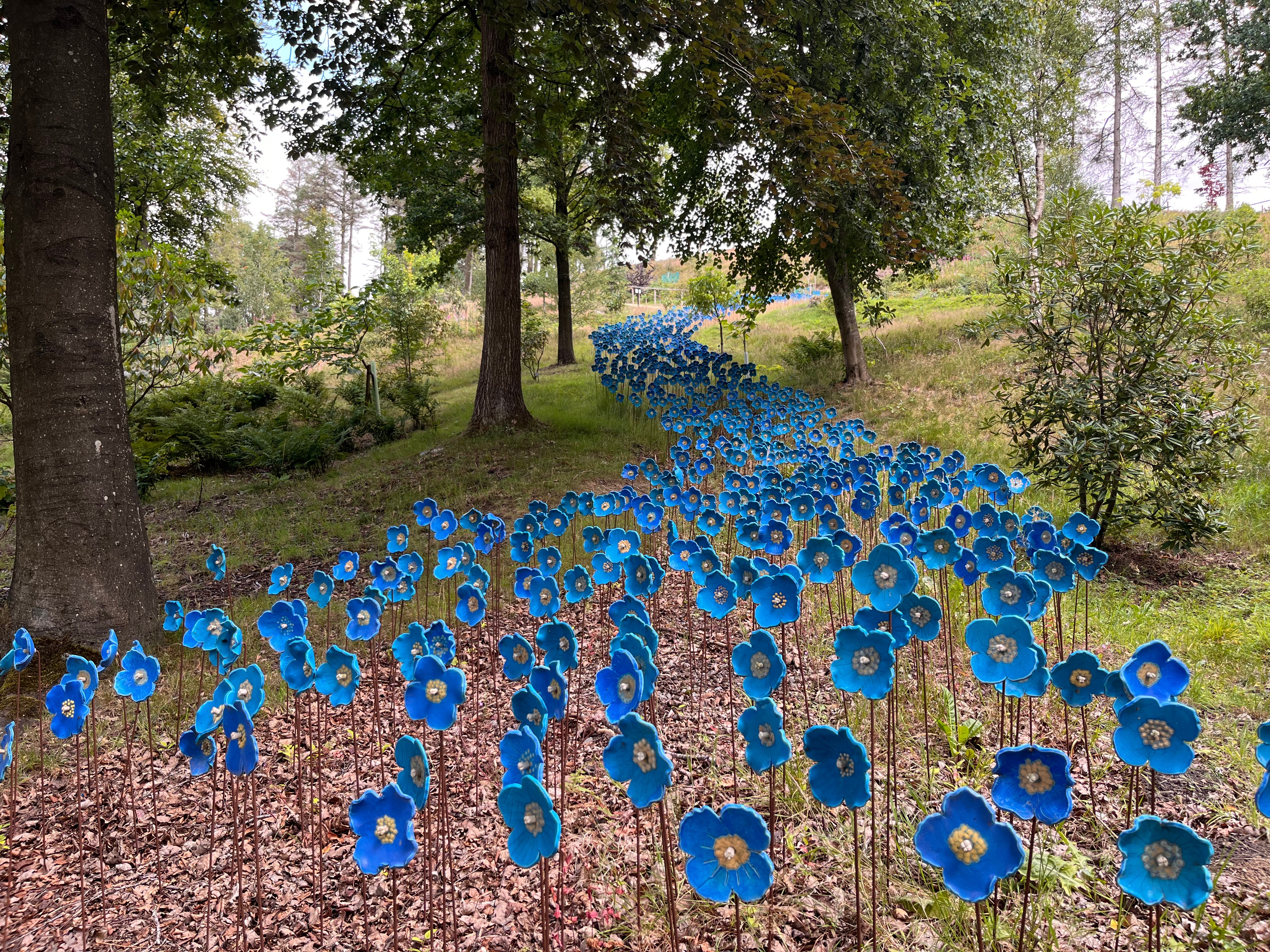
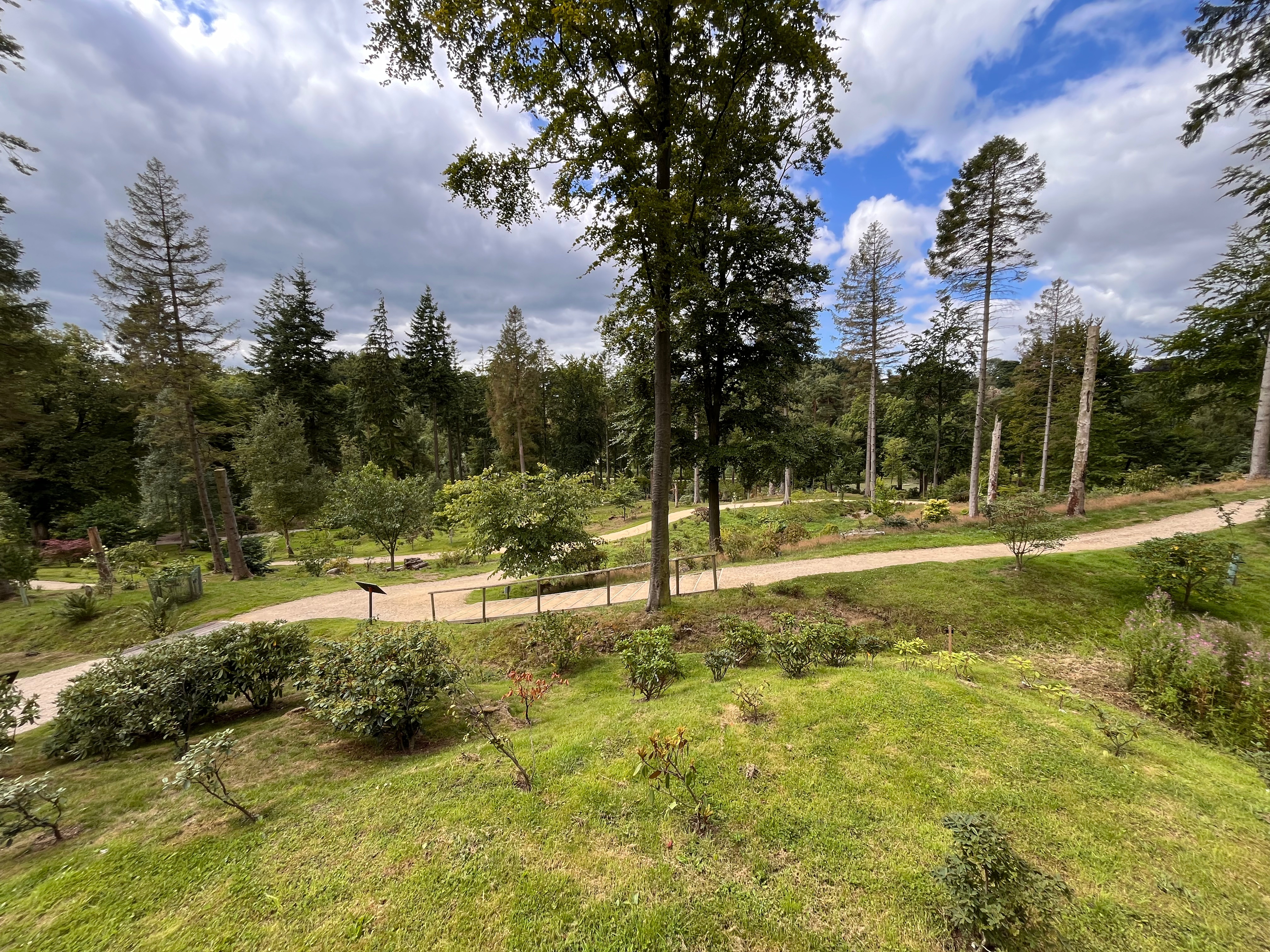
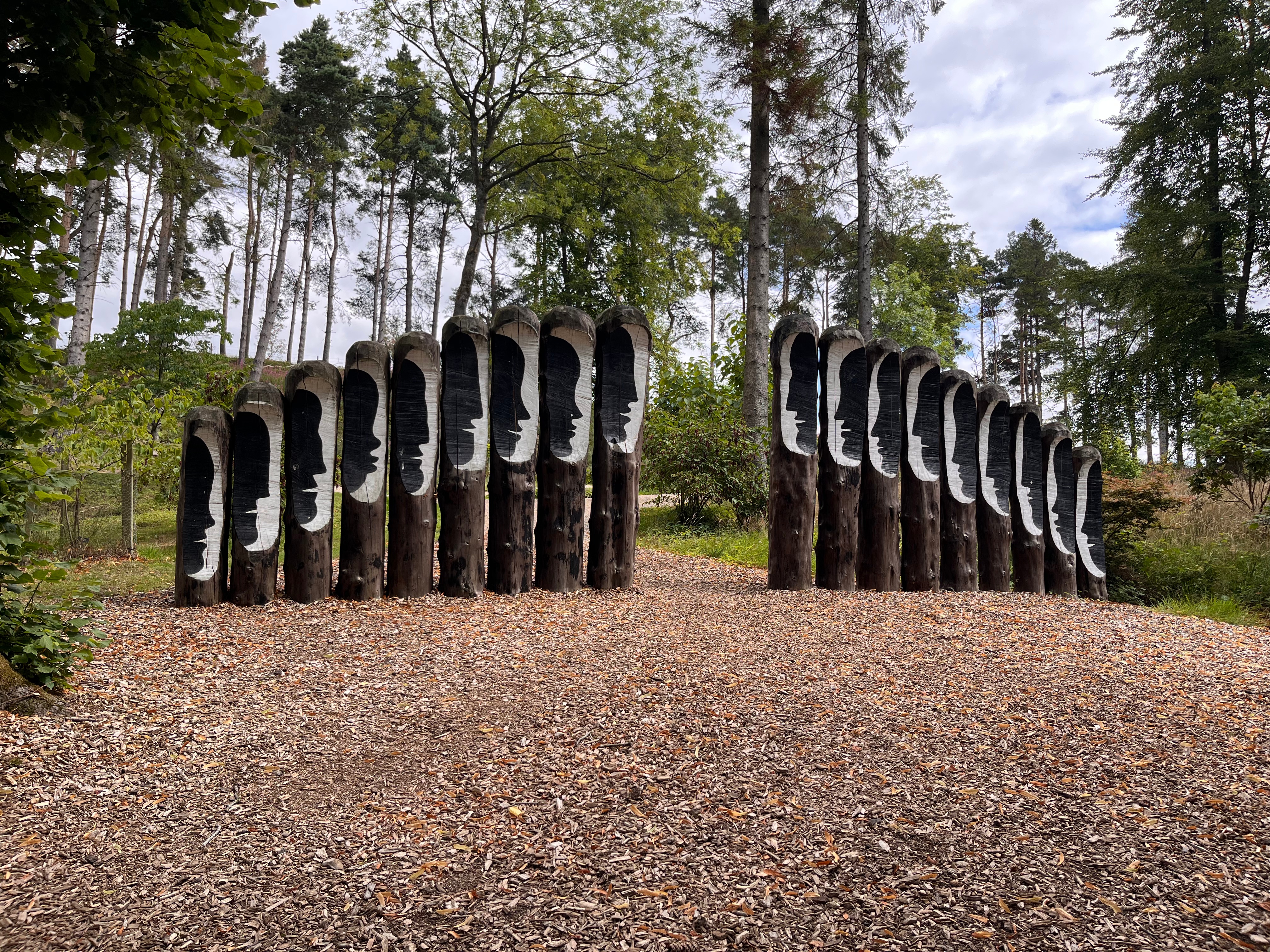
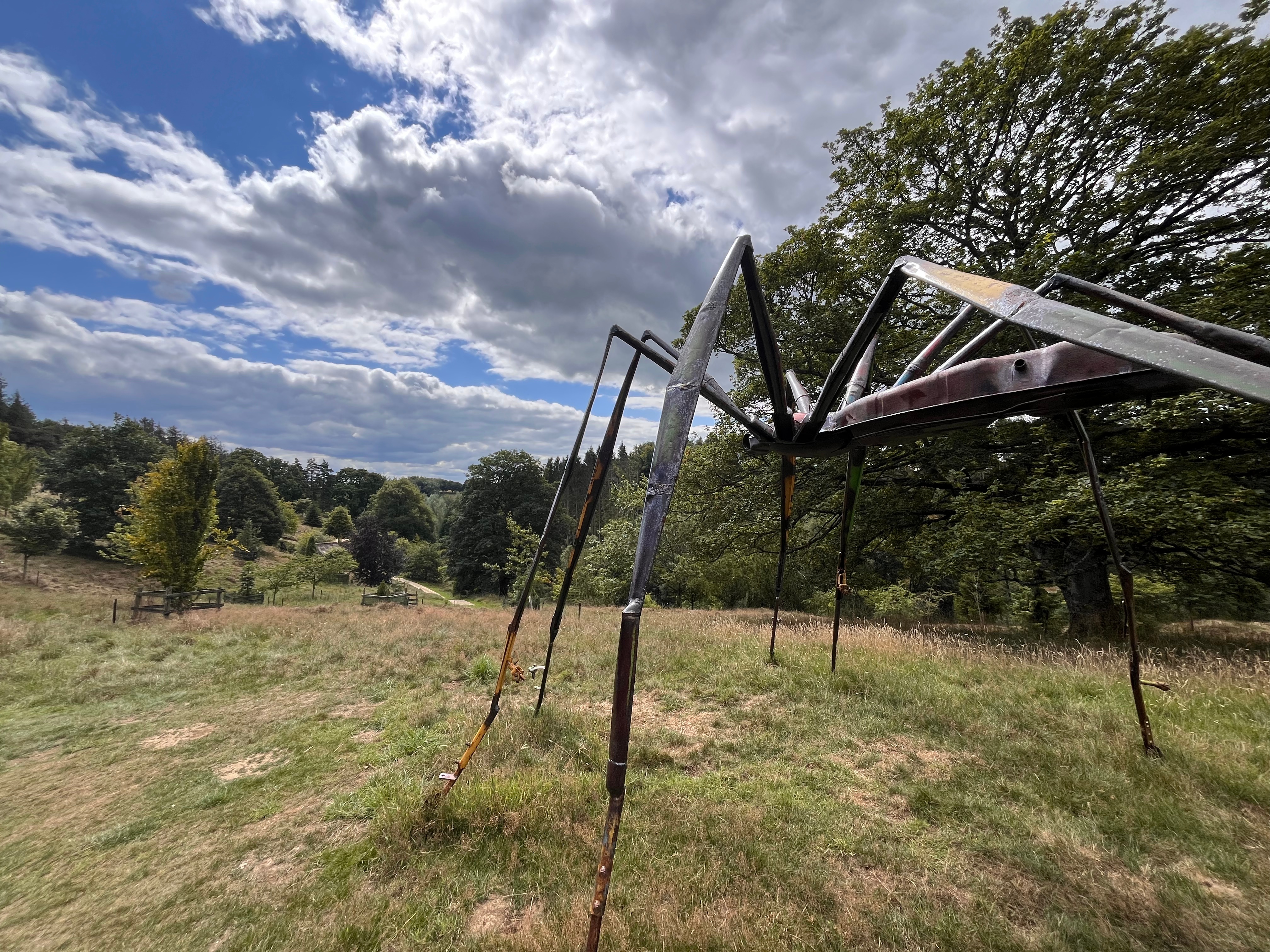
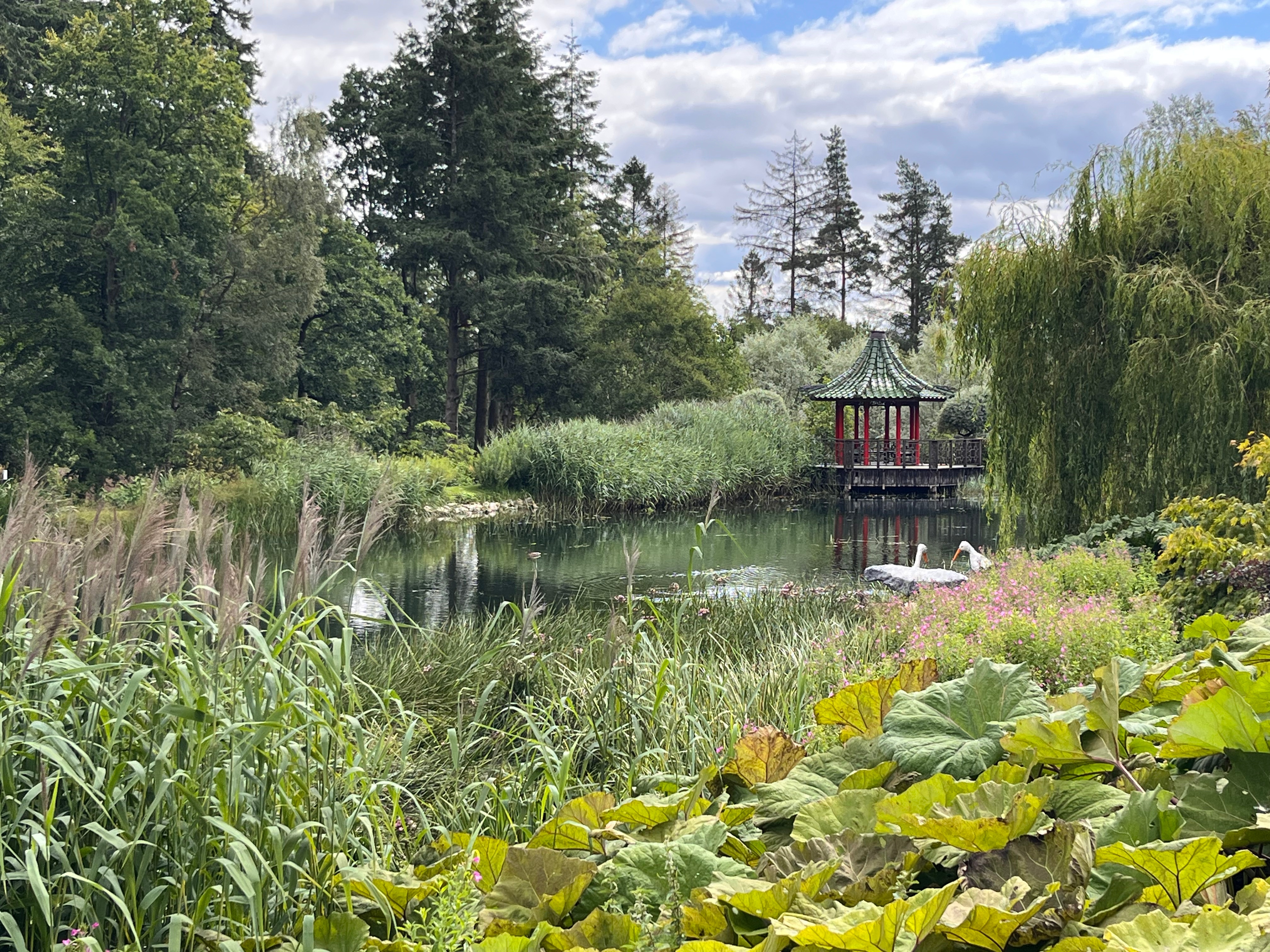
After a pretty good night’s sleep, we woke to glorious sunshine the next day and set off for some sightseeing. Our first stop was the beautiful Himalayan Garden near Ripon. Spread over 45 acres of woodland, lakes and an arboretum, the garden is dotted with sculptures — some priced at a few hundred pounds, others at a cool £30k+. It was lovely and quiet, making it the most peaceful place to explore.
I really liked the Cotton Tree sculpture. At first glance it looks like a flock of flamingos with their heads tucked in, albeit with a sheep’s head on one. In actual fact, it’s inspired by John Mandeville’s 1350 book The Travels, which describes a tree in India that grows wool: “There grows in India a wonderful tree which grows tiny lambs at the end of its branches. These branches are so pliable that they bend down to allow the lambs to feed when they are hungry.” The idea of trees growing wool is seen in several languages: in English we have cotton wool and in German Baumwolle (Baum = tree and wolle = wool).
I also loved Bursting from the Slumber — a river of blue flowers cascading down the hillside. The sculpture is made of 1,300 ceramic blue poppies, all individually painted by local community groups. It represents pent-up energy and grief, serving both as a memorial to loved ones lost and, for others, as a joyful celebration of reunion after the unprecedented lockdown years.
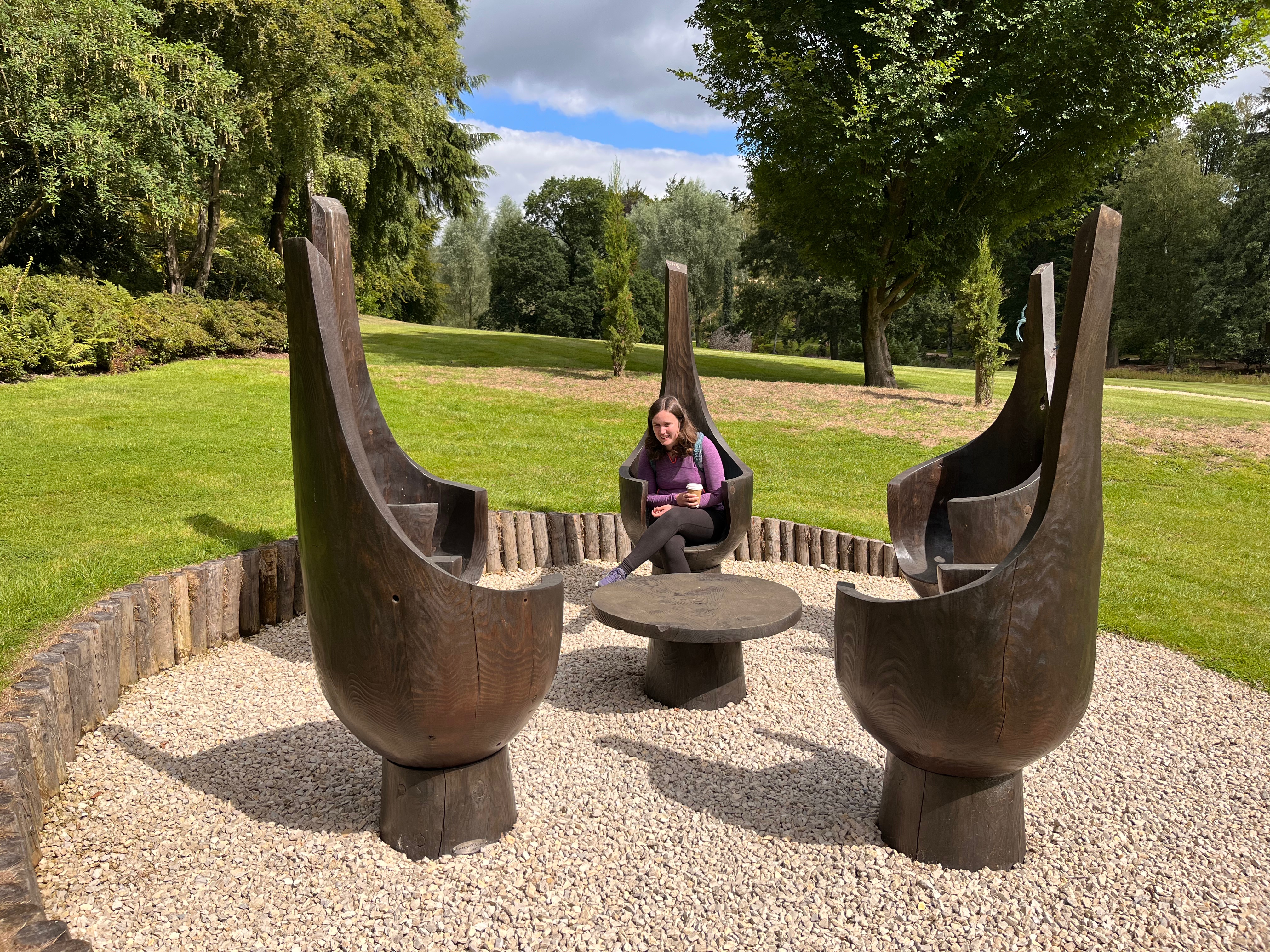

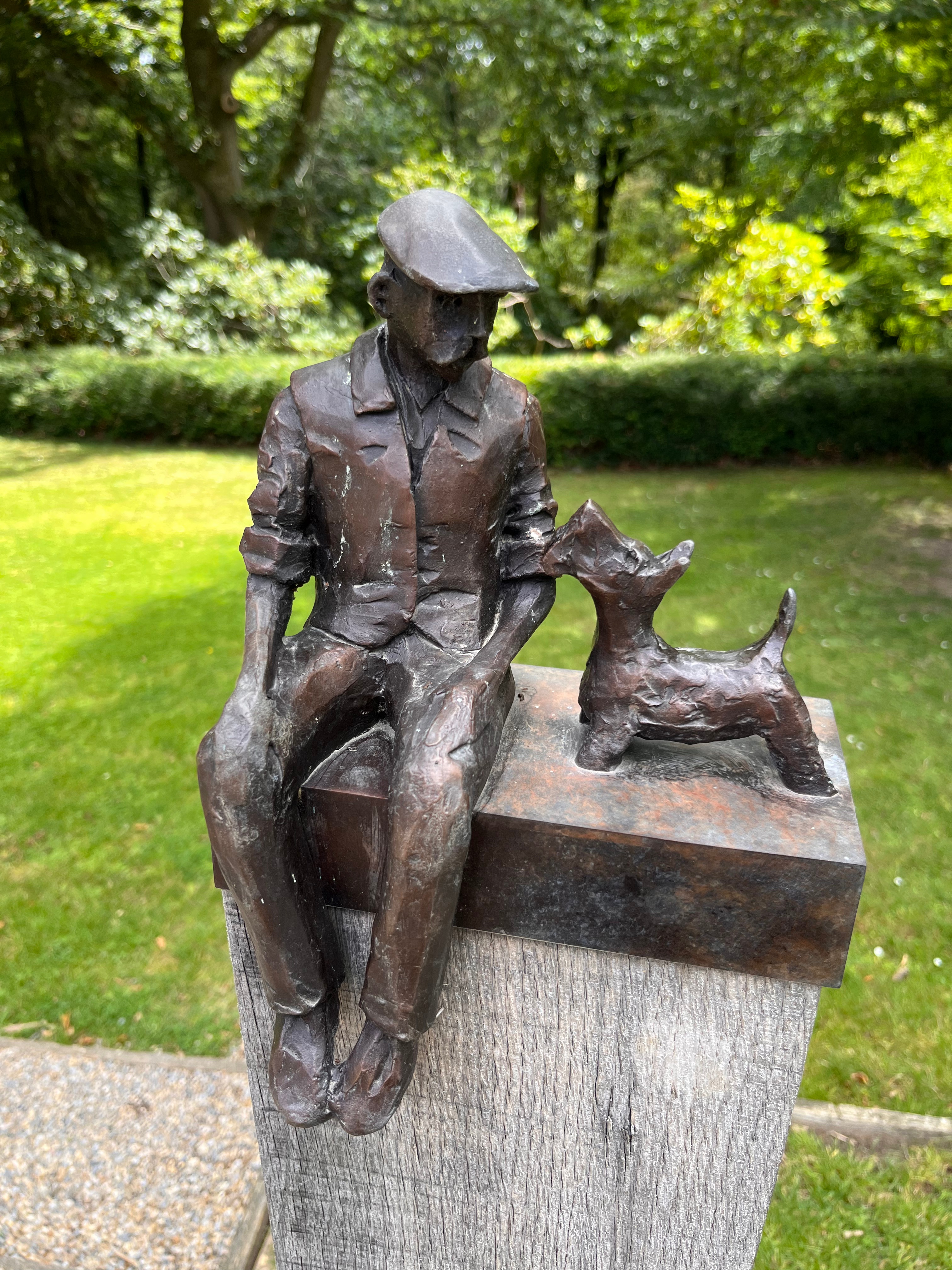
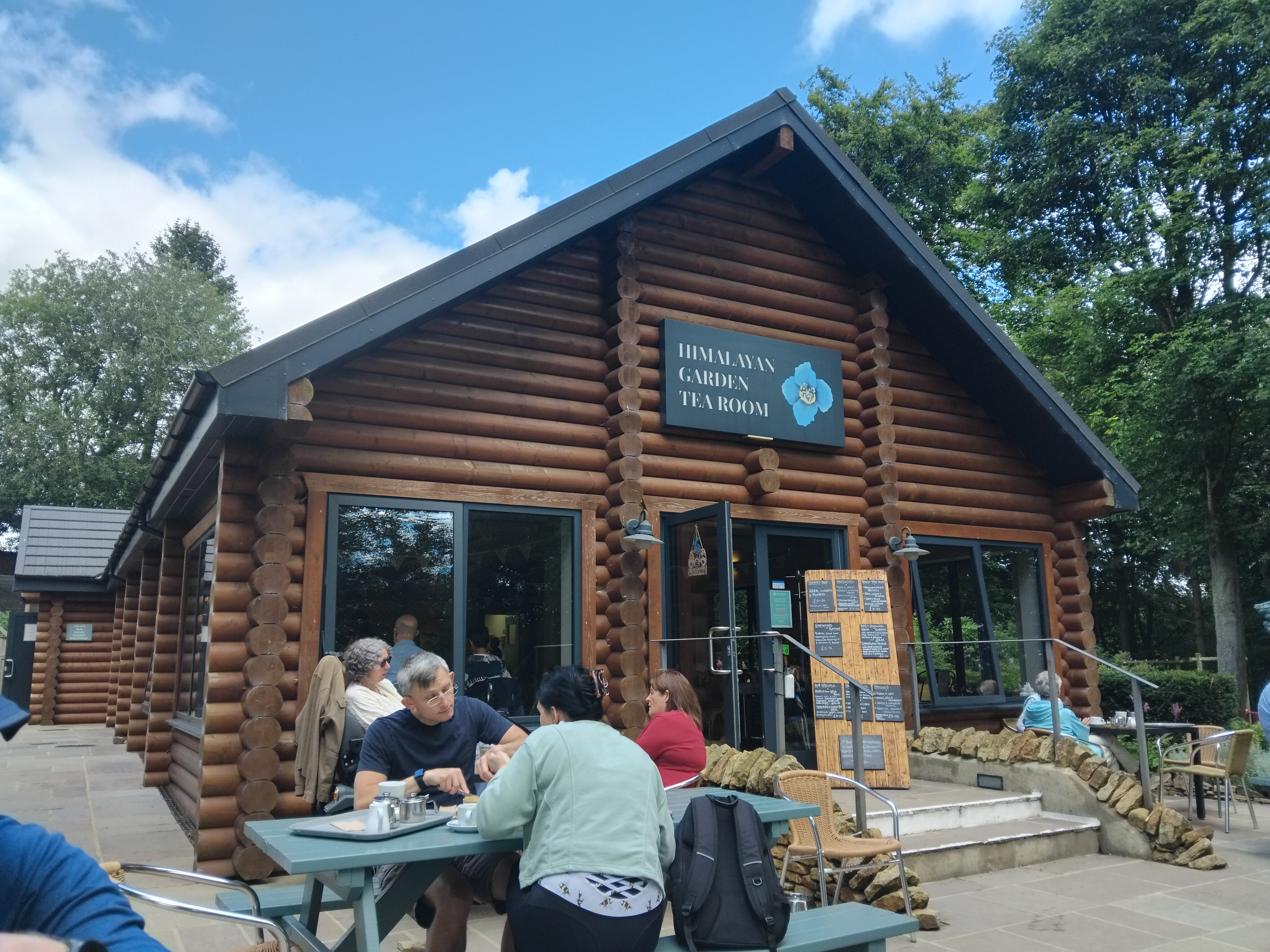
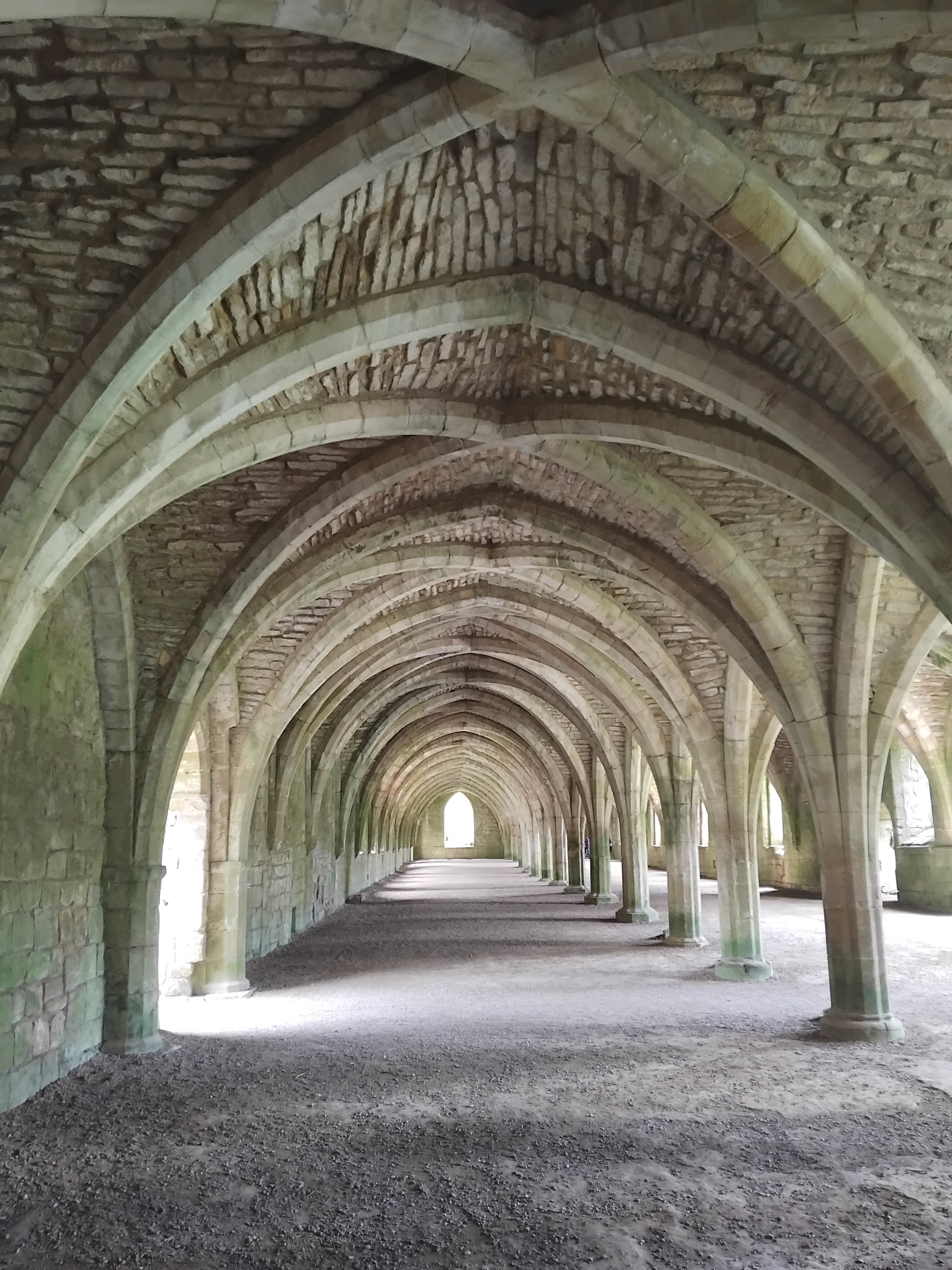
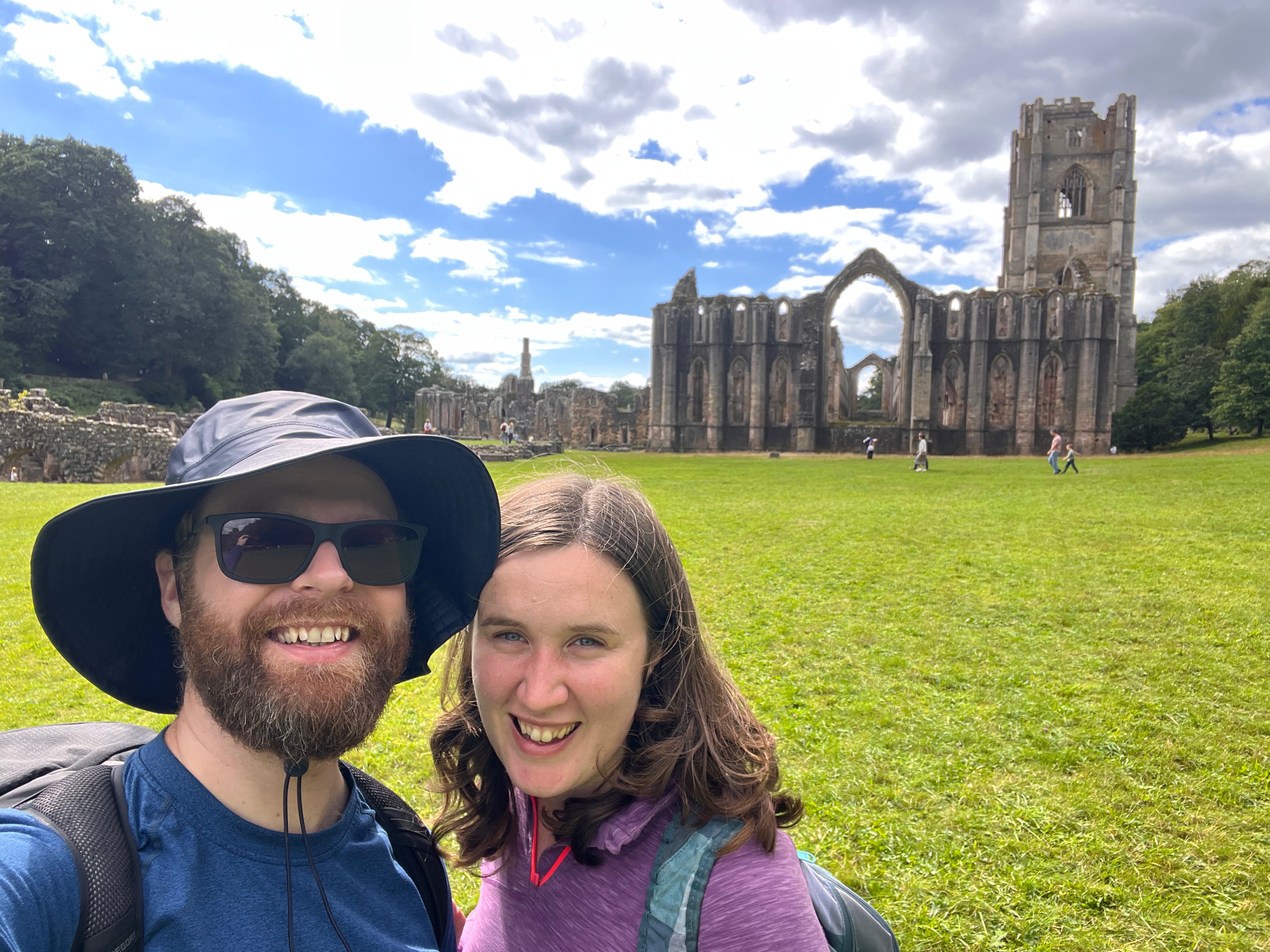
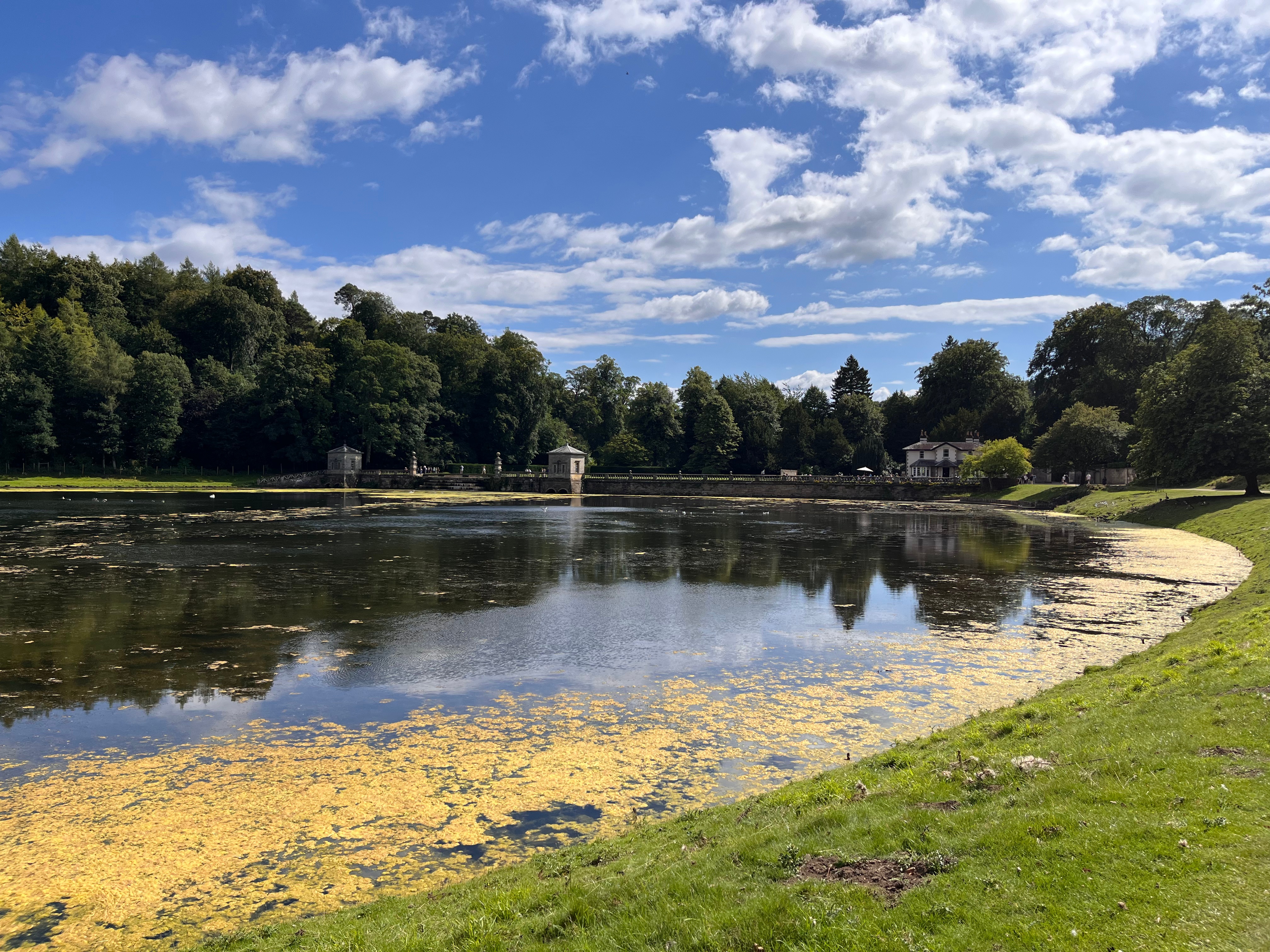
After a lunch break in the garden café (would highly recommend) we ventured to Fountains Abbey, a Cistercian Monastery founded by a group of Benedictine monks in 1132. The ruins are impressive and set within the vast parklands of the Studley Estate, which also has a stunning 18th-century water garden. Both the Abbey and the parklands are now owned by the National Trust. A friend described it as “a fortress where staff jump out of the walls to check you’ve paid the £21(!) fee.” It might not be quite like that, but if you’re already a member it’s definitely one that makes your membership worthwhile. We rushed the ruins slightly — it was that part of the holiday where everyone is a little too hot, a little more tired than expected, and still regaining their camping legs — but you could easily spend a whole day there.
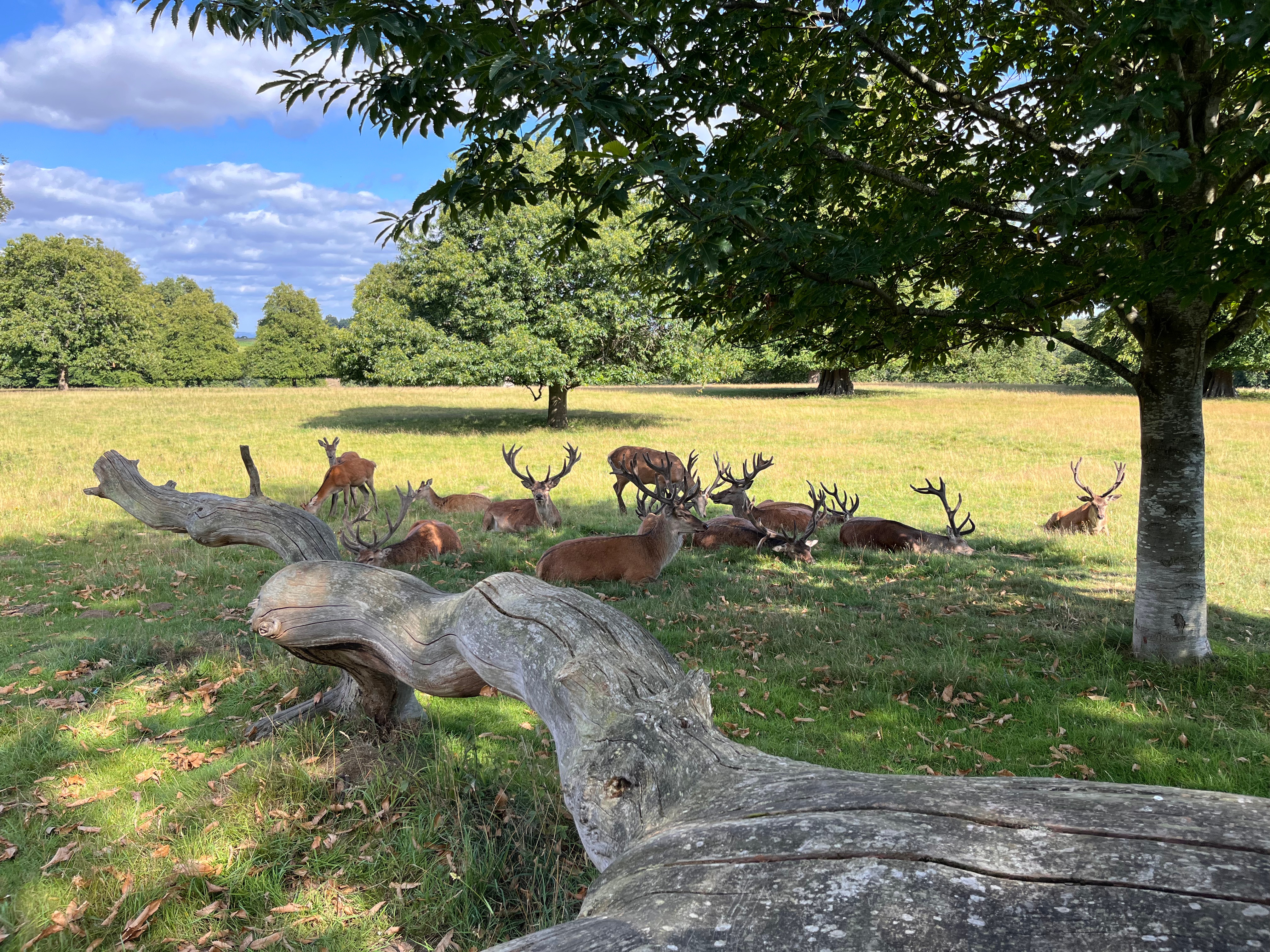
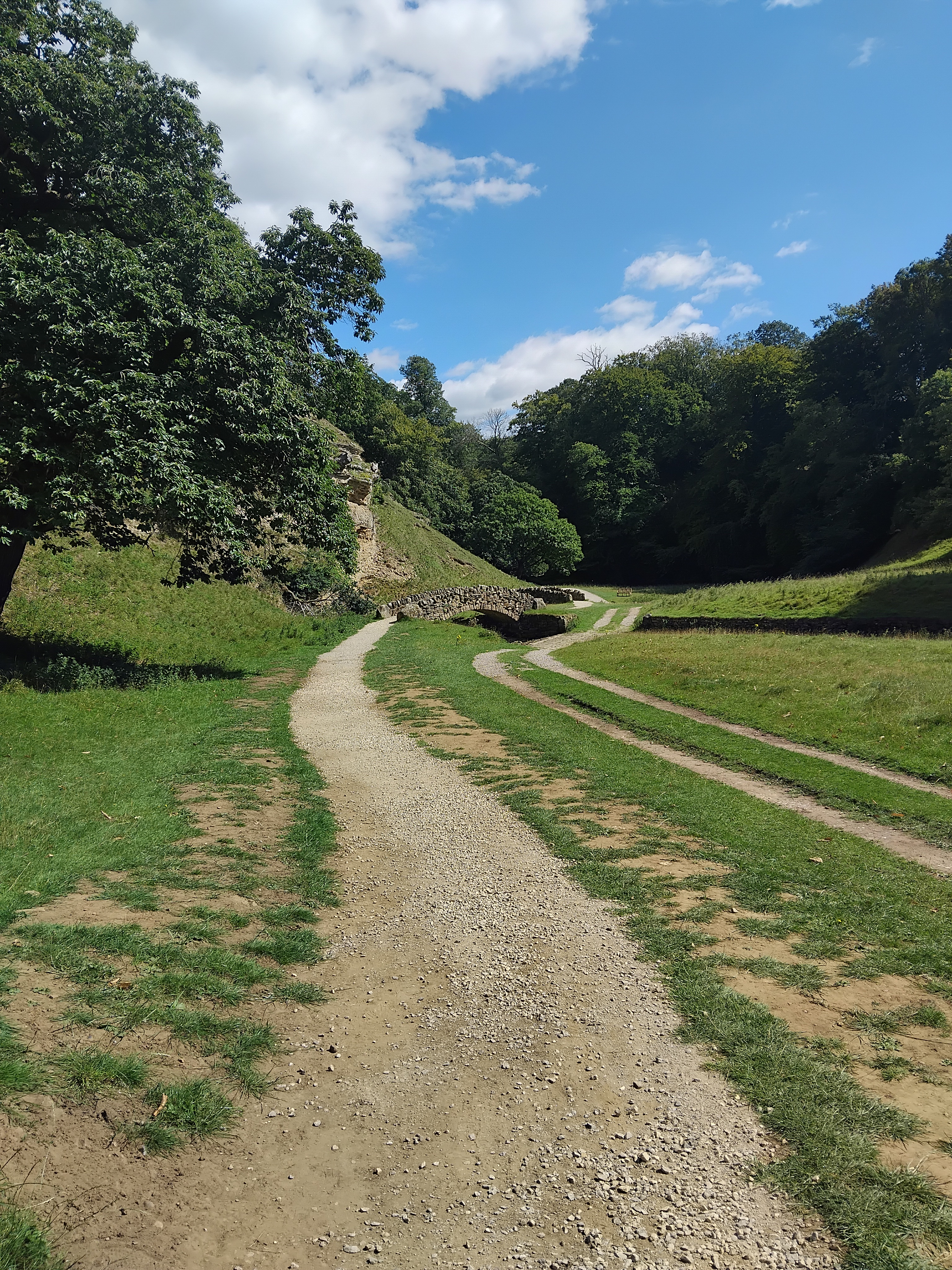
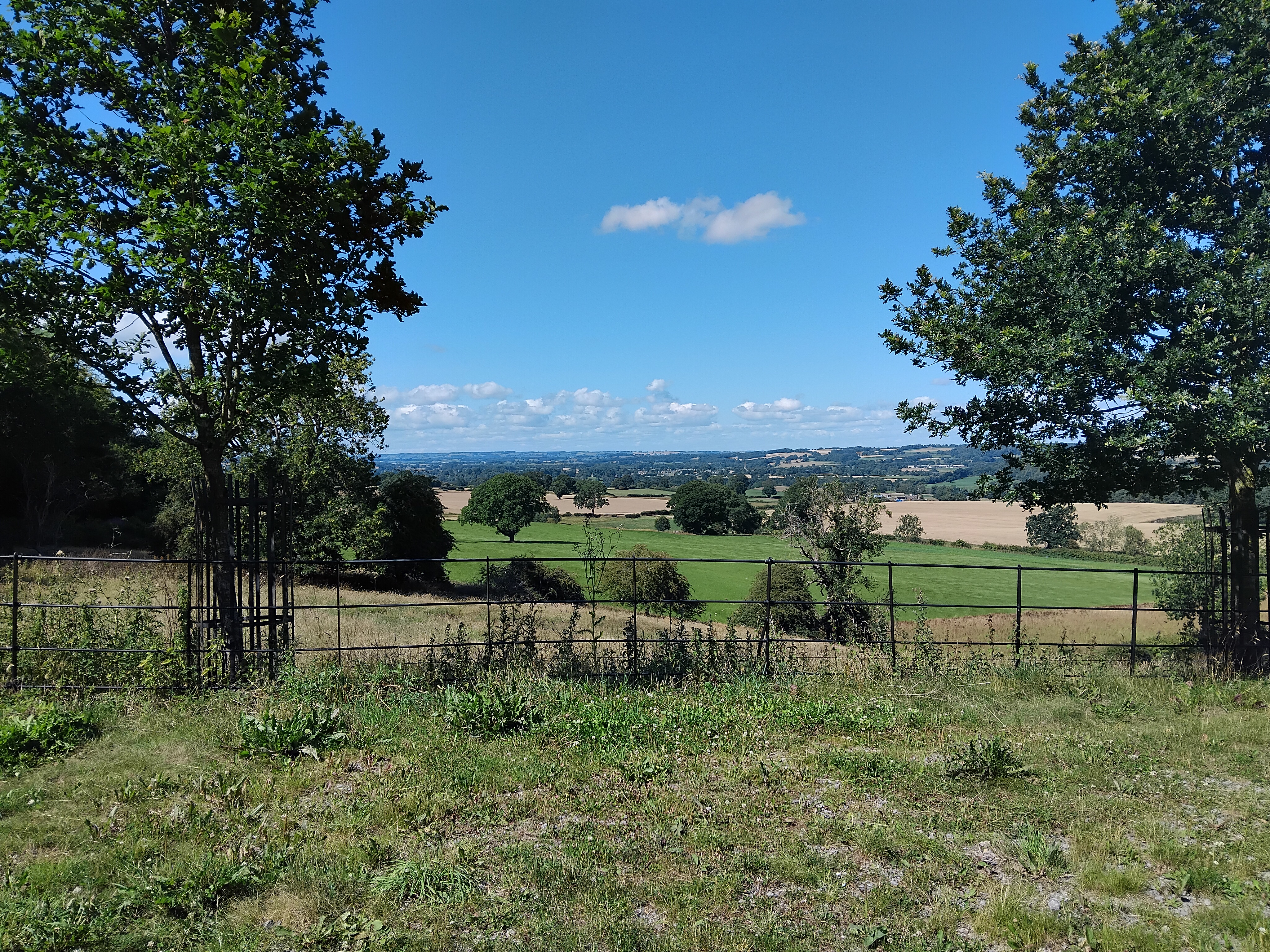
While most of Nidderdale was so much quieter than the Lakes, the Abbey and its grounds were BUSY. But even on a sunny Saturday smack bang in the middle of the school holidays, it was still possible to lose all the crowds. We left the paid part of the grounds and did a quiet walk past seven miniature bridges, an abandoned woodland and along a farm road with sweeping views across the lush green landscape to Ripon Cathedral. It was a great alternative to just wandering around the grounds. We then re-entered the Studley Royal Deer Park and walked up (and up) the long driveway to St Mary’s Church. The park is home to over 500 wild red, fallow and sika deer, and I’ve never seen so many impressive antlers in one place. They were seemingly very unbothered by (or very used to) the public, but I would not want to test my luck during rutting season in any case.
As a sidenote, I just went down a rabbithole of deer antler biology. The cliff notes version: they are carried by the males of most deer species, they are outgrowths of the skull’s frontal bone, and during development they’re covered by a layer of hairy skin called ‘velvet.’ Antler growth kicks off in spring and by July they reach their peak size. At this point, a surge in testosterone signals for the velvet to be shed, readying the antlers for battles with other males during the rut. After breeding season, a drop in testosterone causes the antlers to be cast. They serve as both weapons in male-male competition and as flashy sexual ornaments for females and, of course, as mandatory wall décor in all Scottish hotels.
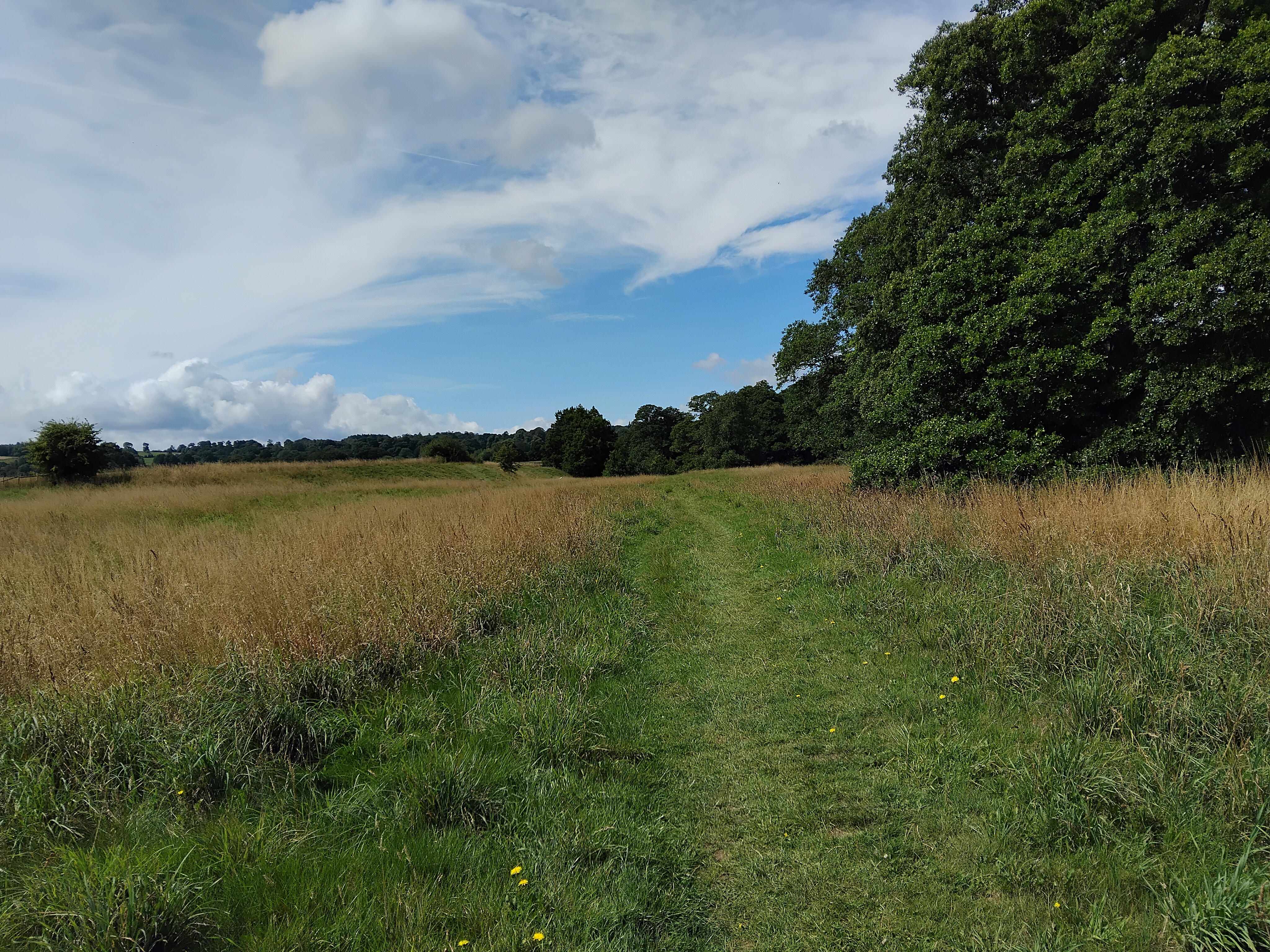
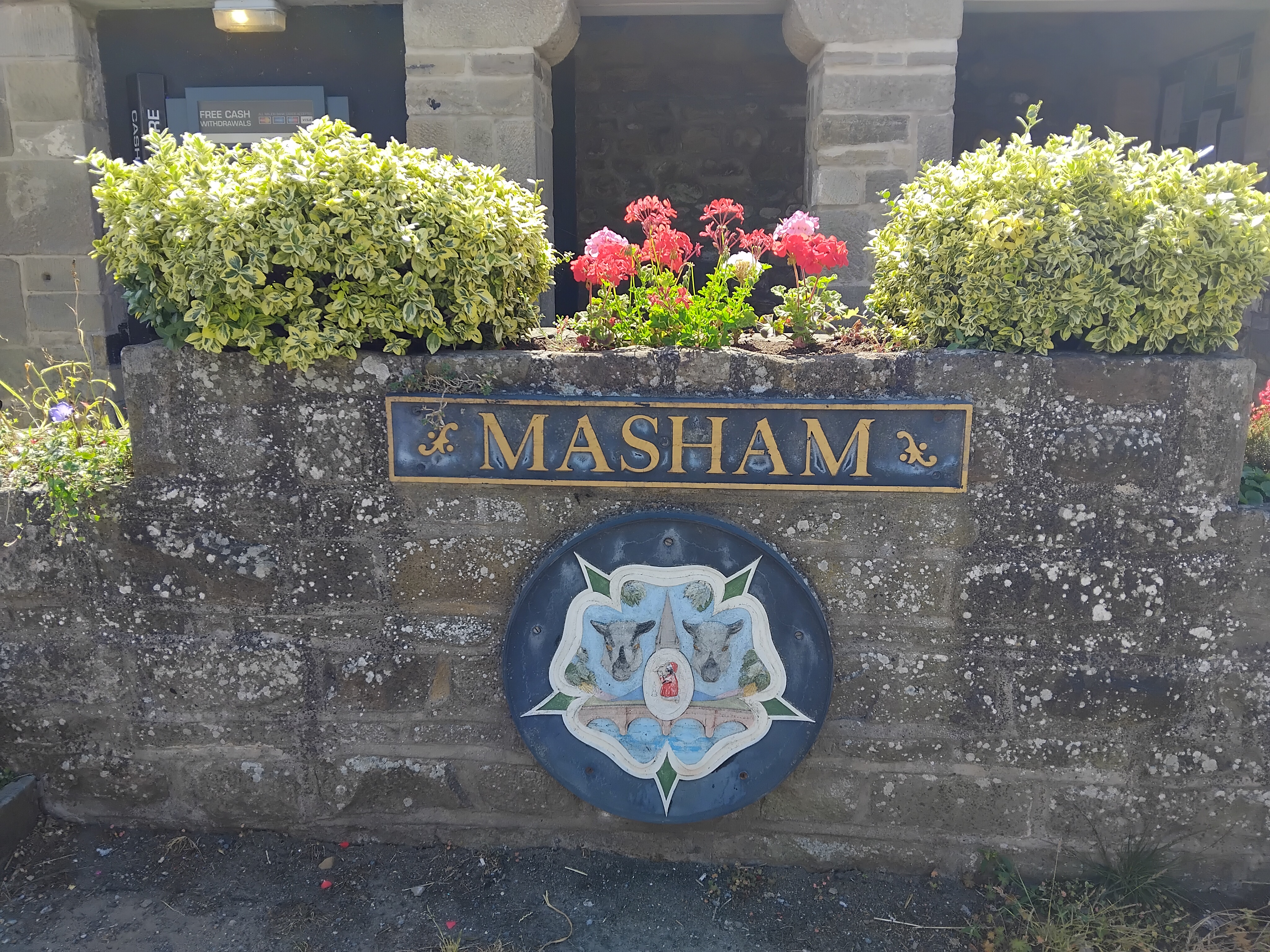
The following day brought a change of pace, as we went for a riverside amble from Masham with our friend Kim. Masham is considered the home of English beer, with two famous breweries (Theakston and The Black Sheep), and its Georgian town square is thought to be one of the largest in England. With sunshine and an ice cream in hand, it almost felt like being abroad. The river walk was lovely and peaceful, winding through fields and woods along the riverbank, and taking in part of the Masham Leaves trail, a series of oak-leaf sculptures made from reclaimed limestone.
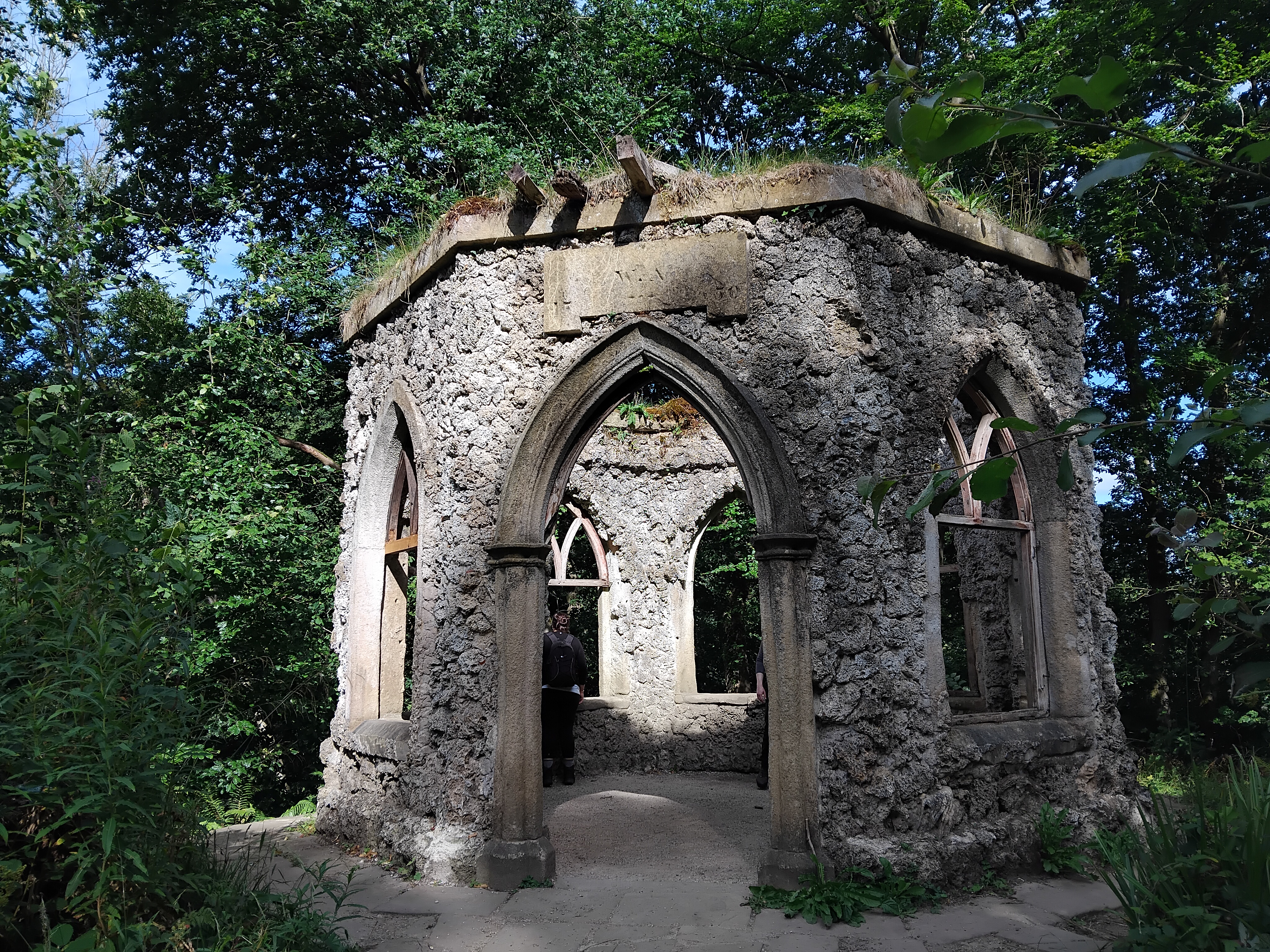
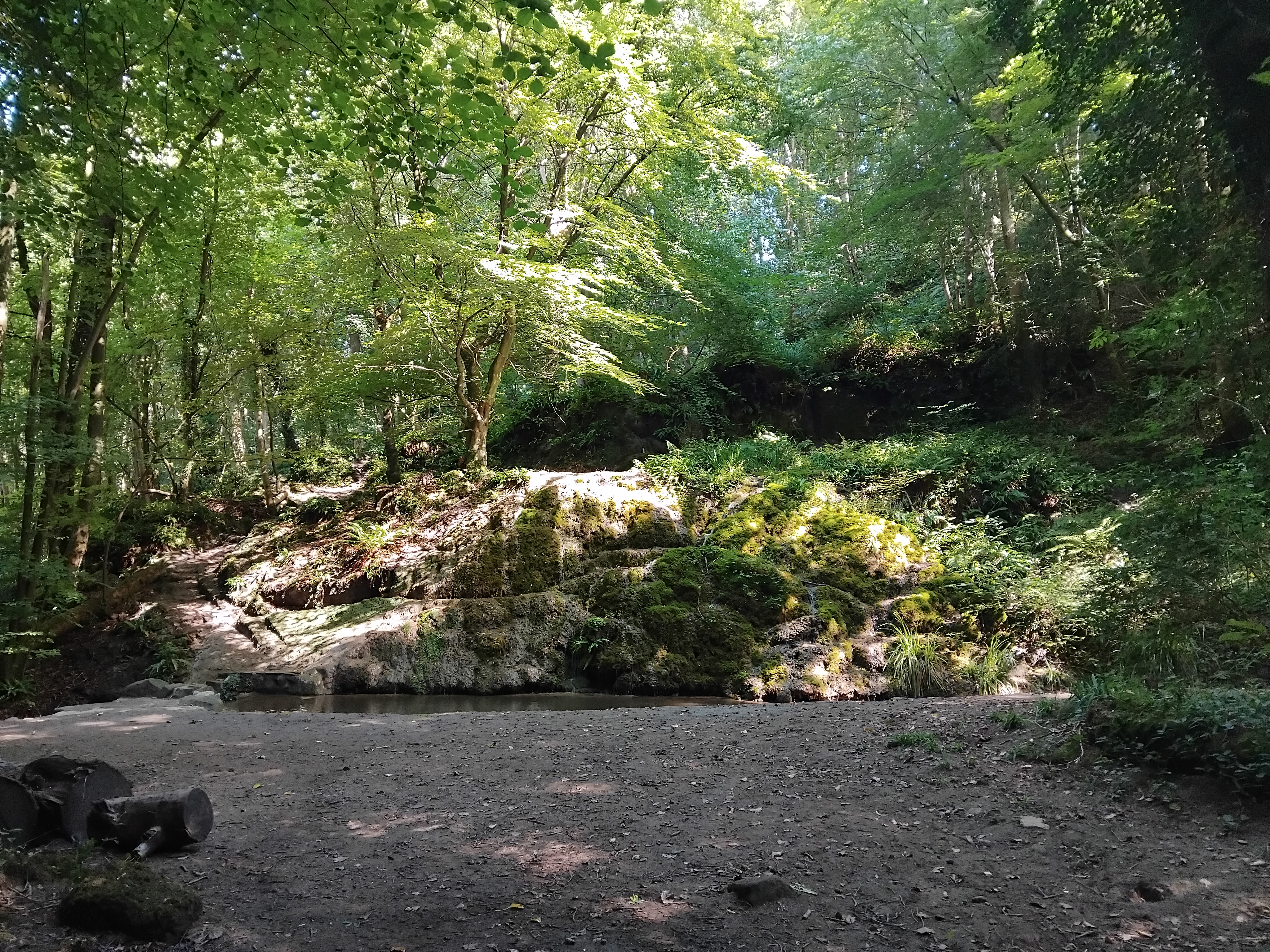
While in the area, we also visited Hackfall, a beautiful woodland site with lakes, waterfalls, follies and a maze of paths. I love woodlands and could (and do) spend as much time in them as possible. While some people are predisposed to be near water, in the last few years I’ve realised that I have to be near trees. Woodlands are magical places, especially when sunlight streams through the leaves, water runs alongside the paths, and birds and squirrels forage around you. Hackfall was no exception. When I was little, I used to write stories about fairies, and I’m convinced they must live in enchanting places like this.

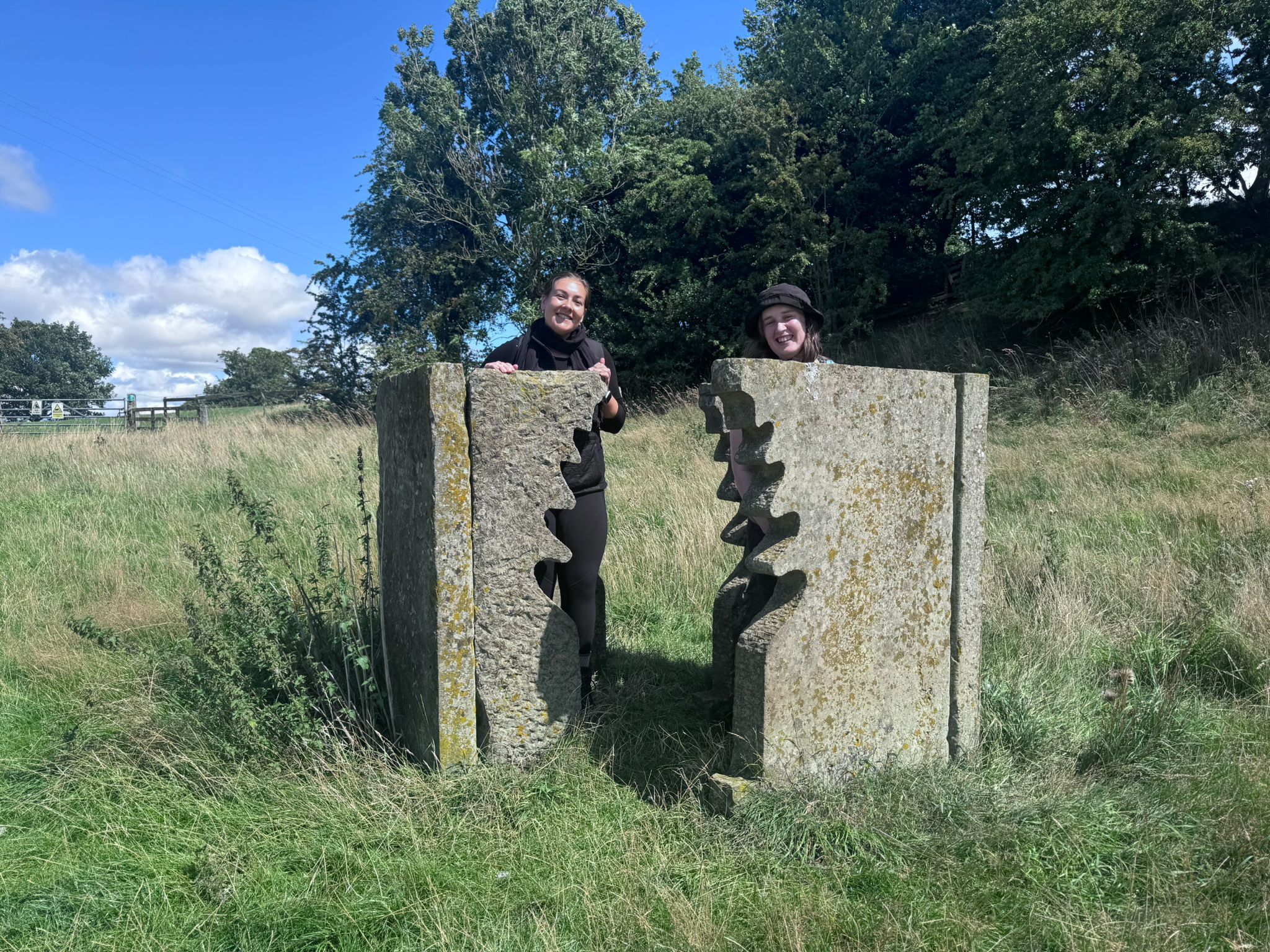
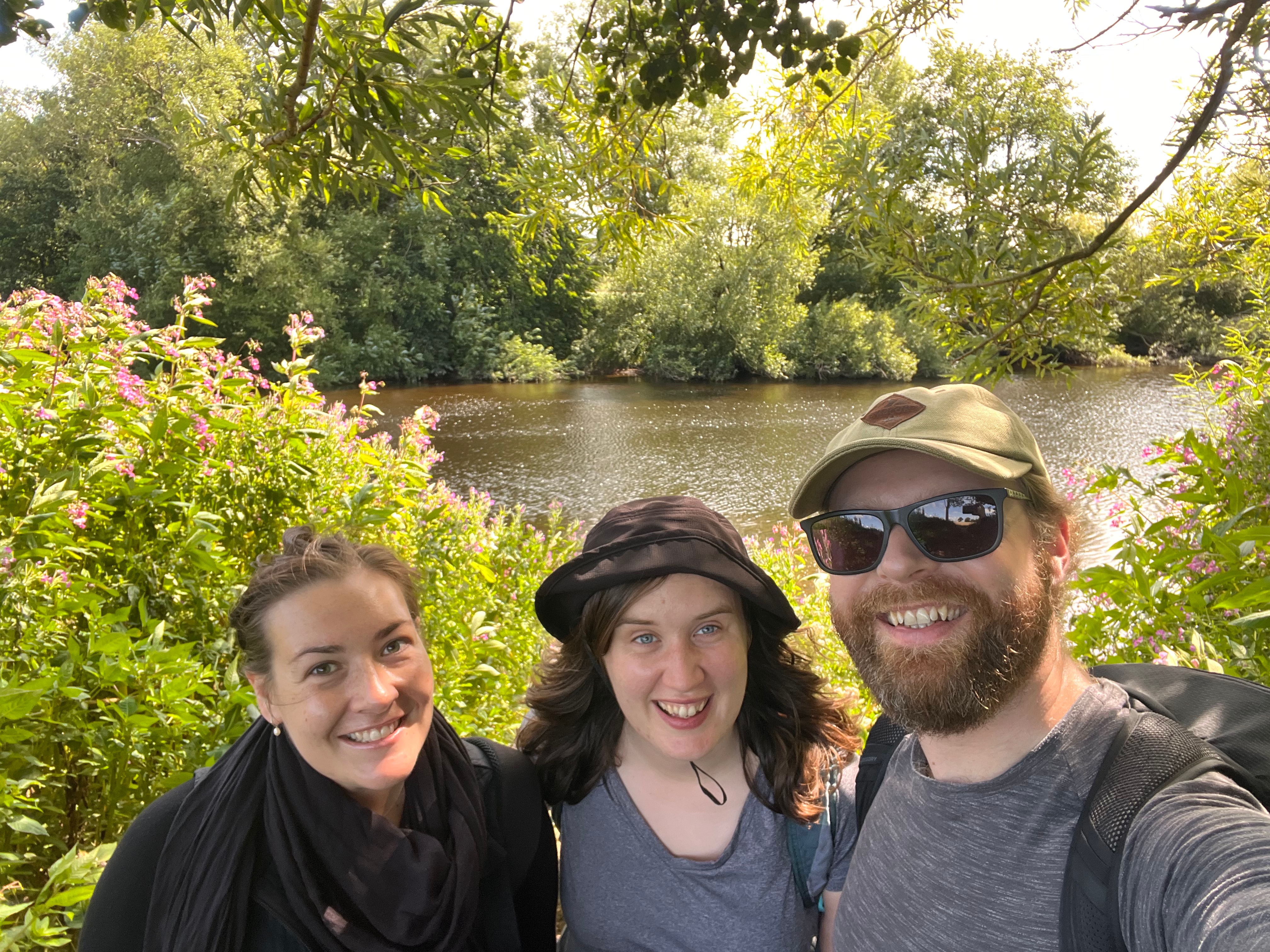
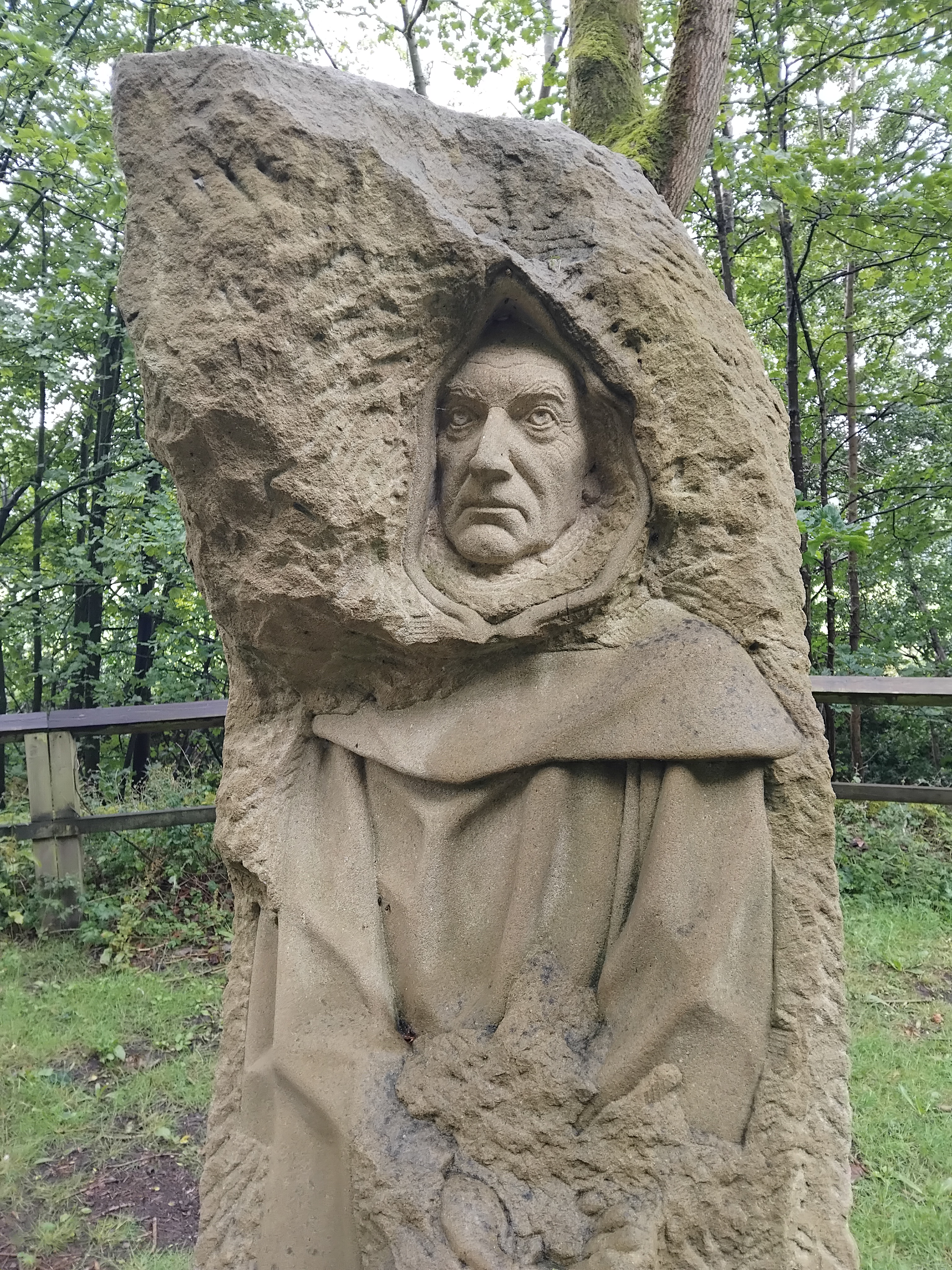
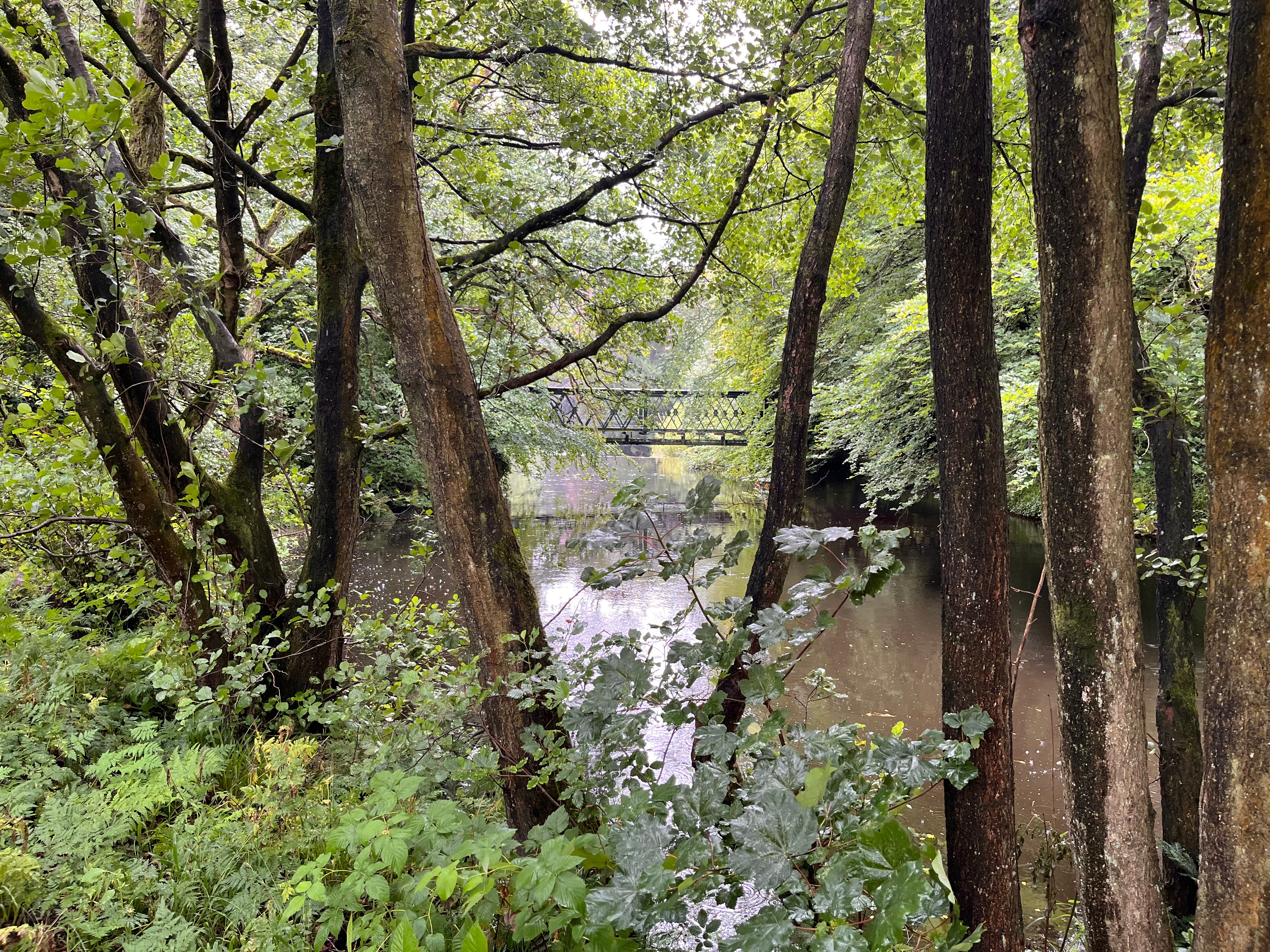
After being tremendously lucky with the weather all weekend, we woke up on our last morning to rain and a brewing storm. On the plus side, it gave the tent a good clean as we’d pitched it under a tree full of birds. We packed up a soggy tent and drove back through Pateley Bridge, the only town within the Nidderdale AONB boundary. After pancakes for breakfast we walked along the River Nidd, past beautiful wildflower meadows and standing stone statues called Pillars Past. The sculptures are of a farmer, a miner and a monk, each representing one of the great pillars of Nidderdale’s past industries.

A bonus of all the walks we did in Nidderdale compared to the Lakes was that we could arrive at midday or later and still get parked. Eating out was significantly cheaper too. You can find all the walks mentioned in this blog post in the Cicerone’s Short Walks in Nidderdale guide.
Nidderdale exceeded all our expectations, with its varied landscapes and plenty to see and do. Reading back through this post, I realise we also saw a lot of sculptures! It has more of a countryside feel than dales, lakes or mountains, but it’s no less beautiful — perhaps even a hidden gem because of it. The Lake District is always horrifically busy in the summer, so more trips east are definitely in order. We still have so much more to explore, including the famous Brimham Rocks and many more walks.
Until next time!
 Laura writes...