It’s been 18 months since a scan confirmed my remission status post-chemo, a year since I realised remission didn’t mean diving back into my old life as if nothing happened, and about 3 months since I started to feel significantly better and more like myself.
Only once that happened did I realise how bad I’d been feeling for so long. My body had been battered and bruised by the drugs, and operating at a very low level of well had become my new normal. When little sparks of wellness glimmered through the fog, I chased them down until they became bigger.
I’ve recently realised one unexpected benefit of going through it all: crisis talks. Not the urgent meetings we think of in emergencies, but the kind where a crisis itself speaks to you, forcing you to confront what’s really important. Being temporarily ejected from the rat race gave me a fresh perspective on how I was living in the years leading up to my cancer diagnosis.
I was probably the fittest I’ve ever been, but I was running on stress, with barely a moment to breathe in my busy life. My diet wasn’t terrible, but sugar and caffeine were staples for energy to get through the day. My job was stressful, and I was starting to feel really burnt out and anxious. Cancer came hot on the heels of the pandemic, which had affected us all in different ways. This way of living wasn’t sustainable, but it was the norm for everyone around me too. I started to look at us all and think, what are we doing to ourselves?
With that in mind, here are ten things I’ve learnt about health and healing:
1. Modern life makes it hard to be healthy
We all know what we should do to be healthy: eat well, sleep well, and exercise. Yet we often beat ourselves up for not doing these things, then use diets and gym sessions as forms of punishment. But we shouldn’t. Modern society makes it almost impossible to maintain these simple habits.
The key to health seems to be keeping stress levels low (which is challenging in a world constantly bombarded with breaking news, wars, and pandemics), staying physically active (despite many of us having jobs with long commutes and sedentary days), eating well and avoiding ultra-processed foods (requiring time, money, and the means to cook and store organic ingredients), and getting quality sleep (while dealing with blue light and notifications from our devices).
It’s no wonder chronic health conditions are on the rise and millennials are dubbed the burnout generation. Modern medicine is a miracle—it saved my life, and I’ll be forever grateful to my chemo drugs and consultant. However, it can’t shield us from the impacts of our lifestyles.
2. Healing is a privilege
Healing from trauma requires space and time, which is a great privilege. They say cancer is a great equaliser, sparing no one, but at the start of Covid, people said the same thing. Then, after one too many celebrity house tours showing off outdoor pools, ensuites, and private chefs, we realised that the crisis served to highlight the privilege people already had.
Like Covid, the impact of cancer isn’t felt equally. Cancer can be financially devastating, and inevitably involves the loss of income, alongside all the other losses. I was extremely fortunate to have a fantastic support network that allowed me to return to work on reduced hours while I regained my strength, but for many, that just isn’t the case.
3. Nature is essential
Nature plays a crucial role in healing. I think I knew this before getting sick, but I didn’t really know it. I’d never felt my nervous system settle after a few hours in the woods or understood the importance of stepping out of man-made structures and grounding yourself in something bigger. And on days when leaving the house isn’t an option? Bring nature inside—fill your space with houseplants!
4. Slim doesn’t mean healthy
A slim body doesn’t equate to a healthy one—we have no idea what’s going on inside someone’s body. Especially as women, we’re bombarded with messages about how we should look; diets before holidays are common, and weight loss is often praised. We know our value isn’t determined by our weight, but that’s not the message the world sends to us.
Going through chemo has completely changed how I view weight. If you’re on medication that causes weight gain but is saving your life, you take it. After trauma, bodies tend to hold onto weight, preparing for another attack.
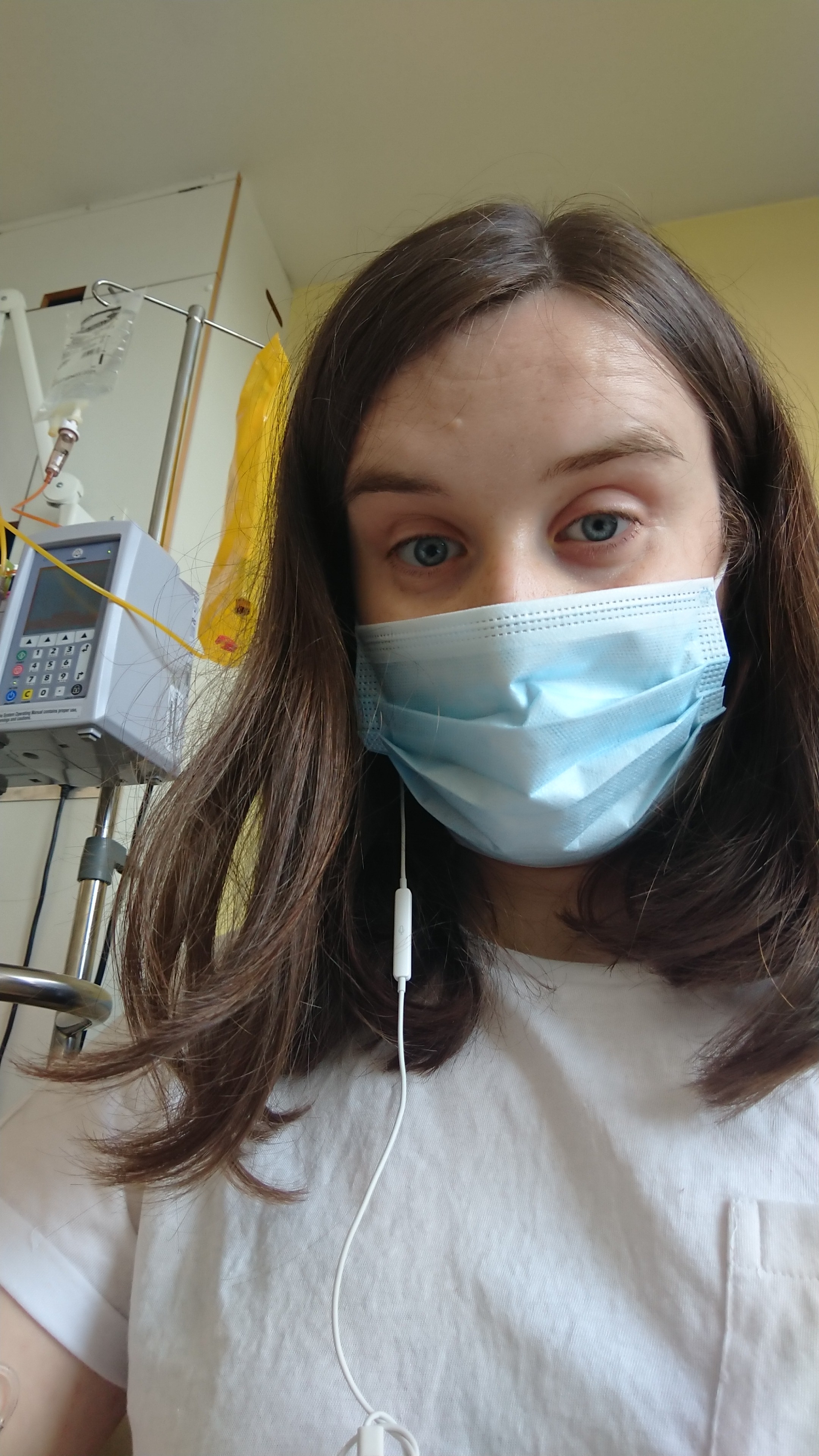
A couple of months before my diagnosis, I was probably the slimmest I’ve ever been. Why? Because the cancer was making me rapidly lose weight. I looked well, and with advanced cancer inside me, I was climbing some of England’s highest mountains. But the scan results told a different story: I was seriously, seriously ill. In the first couple of months of chemo, I continued to look incredibly well, because the drugs cleared up my skin, but I was going through life-saving treatment.
Now I’m in remission, and while the inside of my body is healthy, the outside looks different. What’s more important?
5. Some things are too complex to ever know
I’ll never truly know what caused my cancer. Yet, I still wonder. It’s hard not to. In the past, I’ve been guilty of hearing about others’ cancer diagnoses and trying to figure out what went wrong for them that wouldn’t apply to me—a way to reassure myself of my immunity. Sometimes I sense people doing the same calculation on me.
It’s a tough line to walk because, even if there was a cause, what then? It happened, and there’s no going back. I also blamed myself a lot, but now I see it wasn’t my fault. It isn’t anyone’s fault. Even chain smokers or heavy drinkers likely turned to those vices as coping mechanisms for something else. We’re all just doing the best we can.
My best guess is that my cancer stemmed from an intricate web of complex factors, a chaotic interplay of wayward cells, and a heavy dose of bad luck.
6. Cancer rates are on the rise
Young adult cancer diagnoses catch everyone off guard, but they’re also on the rise. Research shows that ~35,000 under-50s are now developing cancer every year, which equates to almost 100 young people a day.1 A woman in her 30s is more likely to be diagnosed with cancer than her grandmother was at the same age two generations ago.2 Many of the cancers on the rise affect the digestive system, and it’s believed that changes in diet and lifestyle may play a role.
For most of human history, up until the Industrial Revolution about 200 years ago, our lives were more closely aligned with natural cycles of day and night. Around 10,000 years ago, many societies were living as hunter-gatherers, closely attuned to the land and its rhythms. Compare this to how we live now: crammed into busy cities, sitting in offices for most of the day, consuming junk food, relying on alcohol and caffeine, squeezing in exercise when we can, glued to our devices, and living far from family and friends. Evolution hasn’t caught up yet—we’re not adapted to live like this.
7. Stress is a silent killer
Nearly three-quarters of UK adults have felt so stressed in the past year that they’ve felt unable to cope.3 Unmanaged stress can lead to high blood pressure, heart disease, strokes, diabetes, and poor mental health. The constant, low-level stress of 21st-century life affects us more than we realise. Just as headless chickens run blindly towards danger, we too can be overwhelmed by stress if we don’t manage it daily.
I also discovered (not to anyone’s surprise!) that I’m a Highly Sensitive Person4. In my unscientific and untested hypothesis, perhaps highly sensitive people feel the effects of modern life quicker. Nobody gets a free pass here and I’m not unique; it’s just that highly sensitive individuals often become overwhelmed more quickly. Like canaries in the coal mine, we may signal danger, but the stress is insidious and affects everyone eventually.
8. Health encompasses all aspects of life
It’s true that eating well makes you feel good, but health is about so much more than what you eat. It encompasses every aspect of your life. Even if your diet and exercise routine are perfect, factors like loneliness or hating your job will inevitably impact your overall well-being.
If you’ve ever gone down the health rabbit hole of the internet, you’ll know how easy it is to become obsessive—endlessly scrolling through forums debating the best kind of bread or getting stuck in an all-or-nothing approach that inevitably backfires.
So, for the sake of your mental health, enjoy the sunshine and eat cake with friends.
9. Our bodies are designed to heal
A lot of the information above is highly depressing, the list of potential long-term chemo effects even more so. But our bodies are designed to heal. Chemo is devastating yet recovery is miraculous and there’s so much we can do to support that process.
Unfortunately there are no shortcuts or magic pills though—if there were we’d all just go back to living in the same unsustainable way. Likely we get sick because there is some element of dis-ease in our body after all. Small changes maintained consistently have a massive cumulative effect and can genuinely make a difference in how you feel.
10. Change happens slowly until it happens all at once
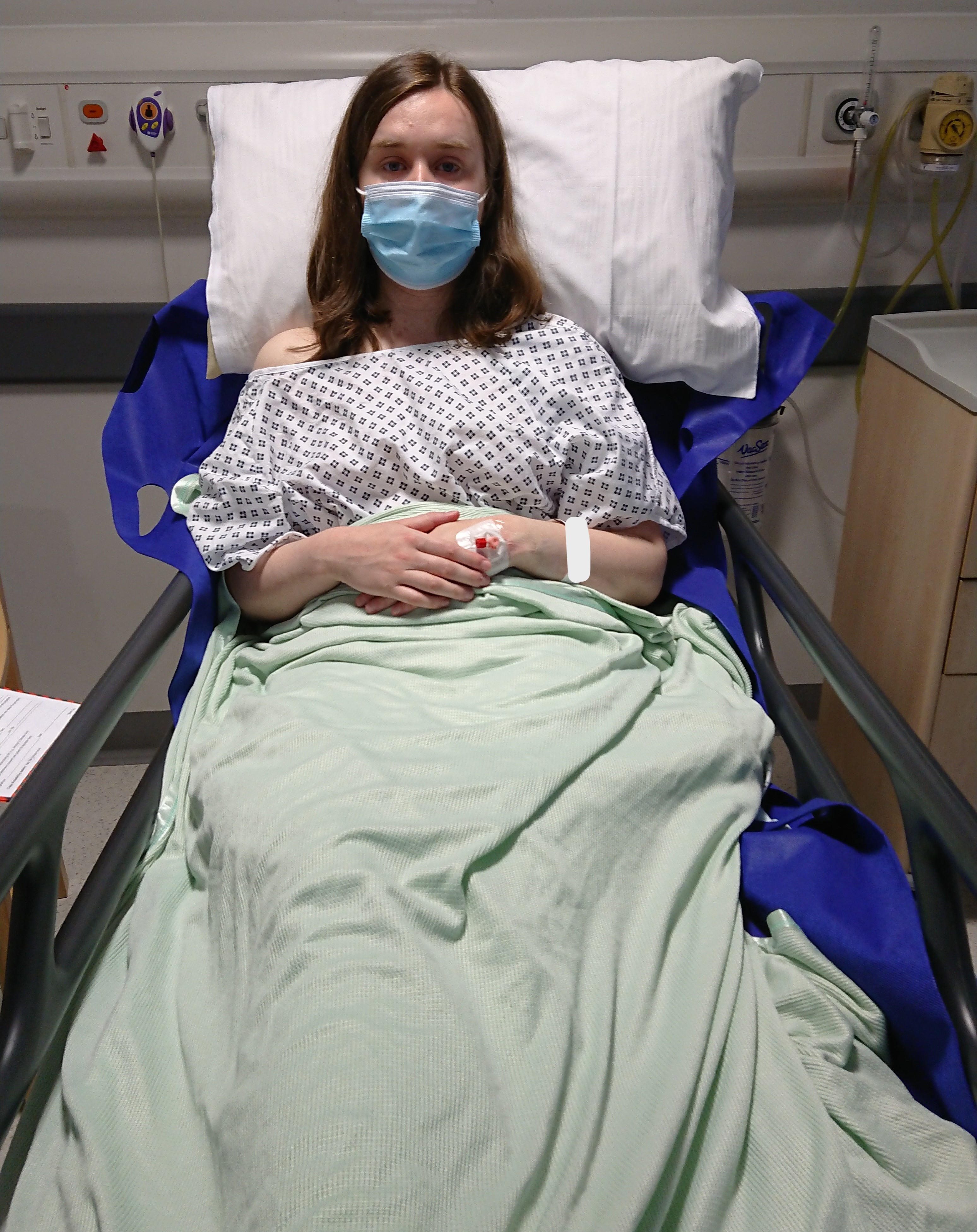
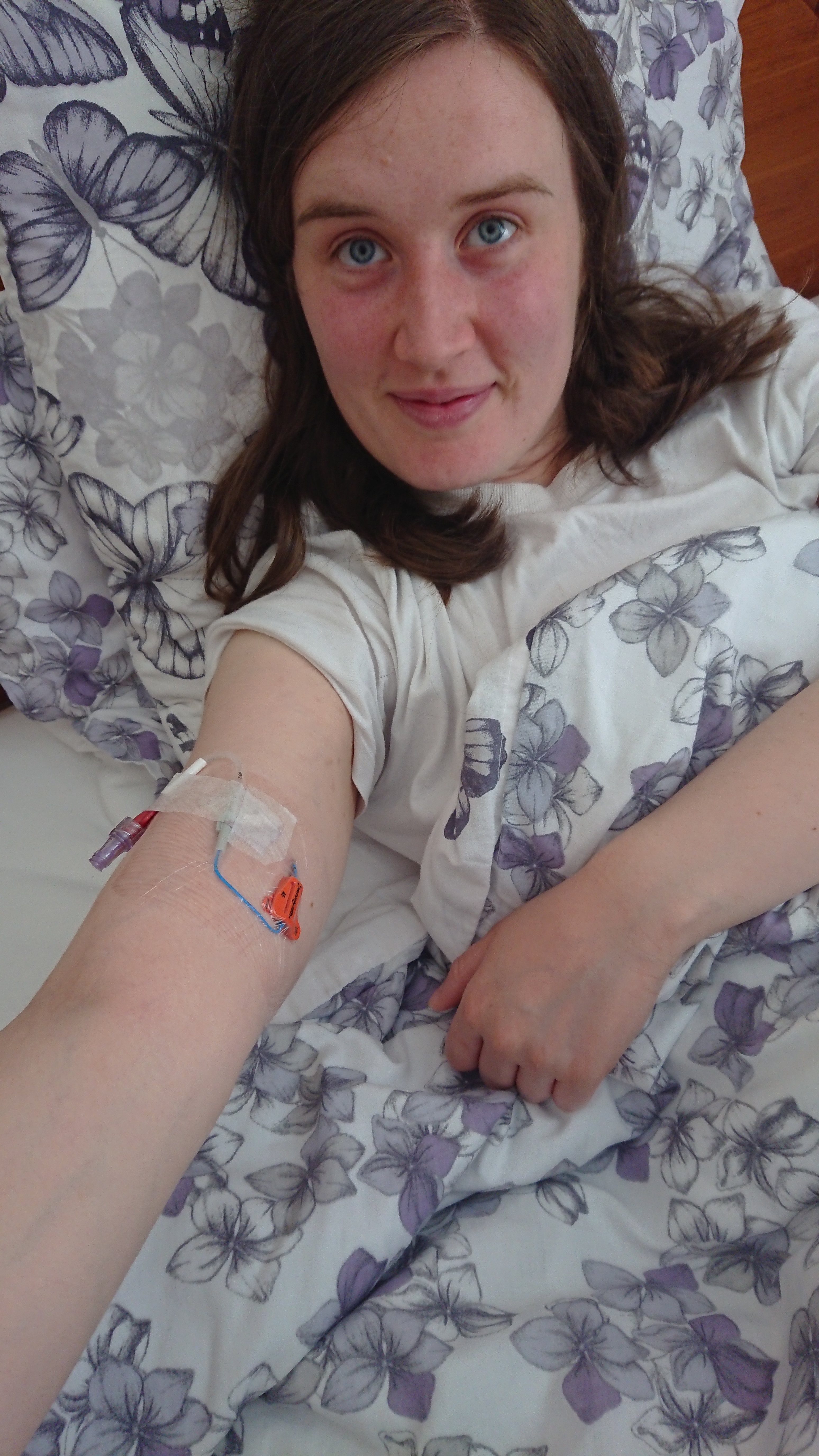
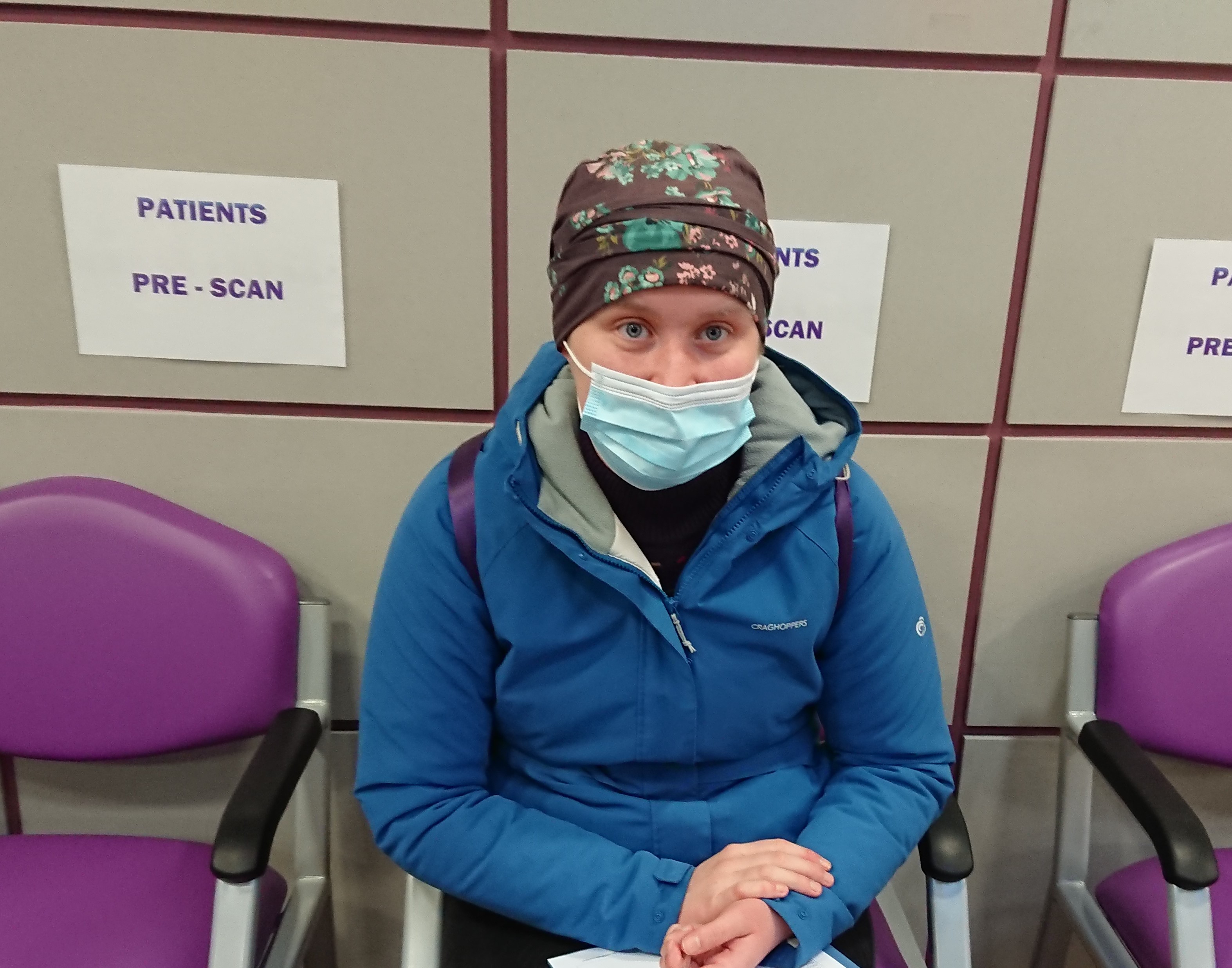
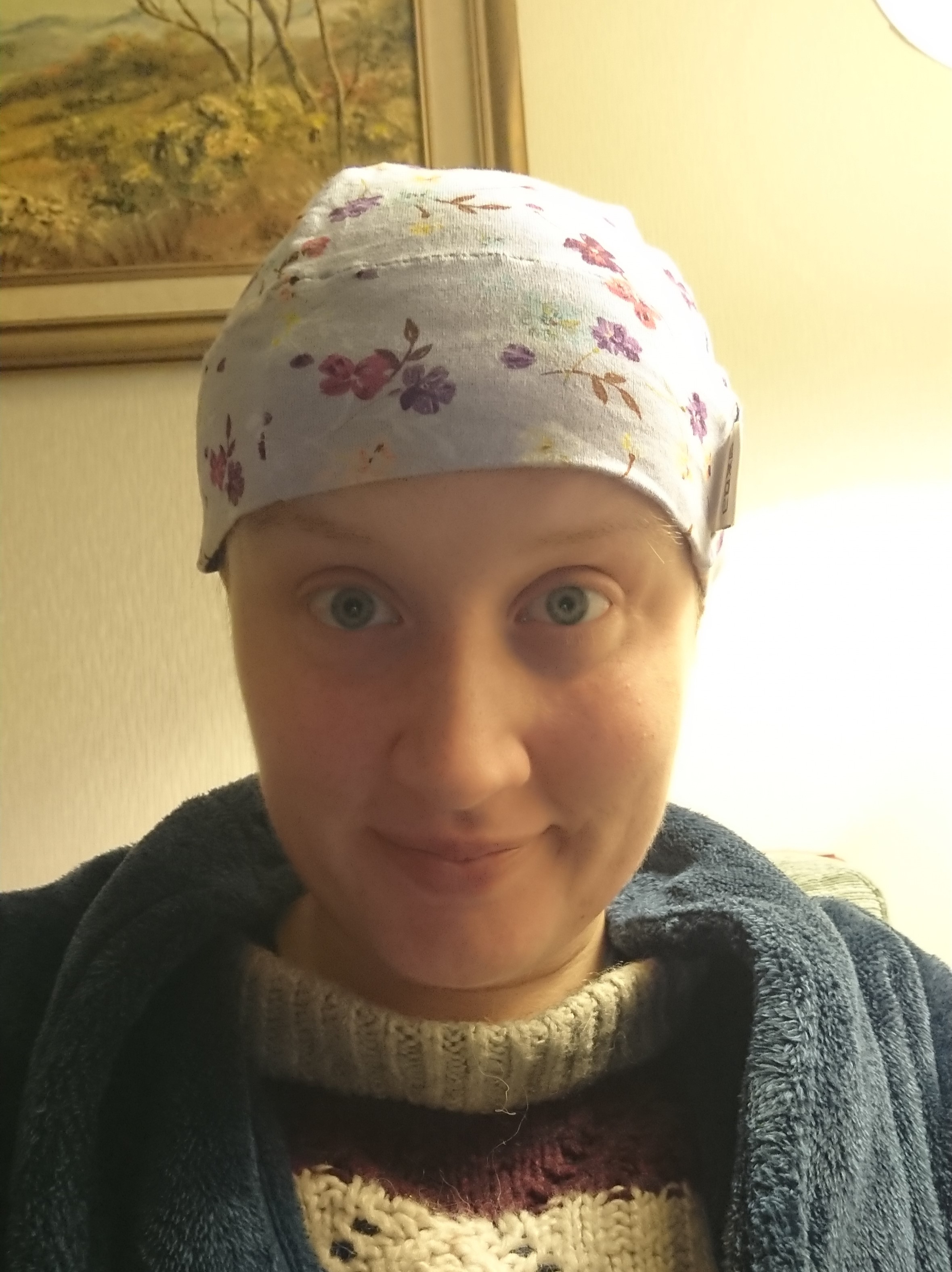
Two years ago, the effects of chemo were really taking their toll. I was both wired and exhausted, with new side effects cropping up every week. It felt like a game of whack-a-mole, using different drugs to manage them, and my hair had nearly all fallen out. I couldn’t imagine a life beyond the hellish drug-induced haze I was living in.
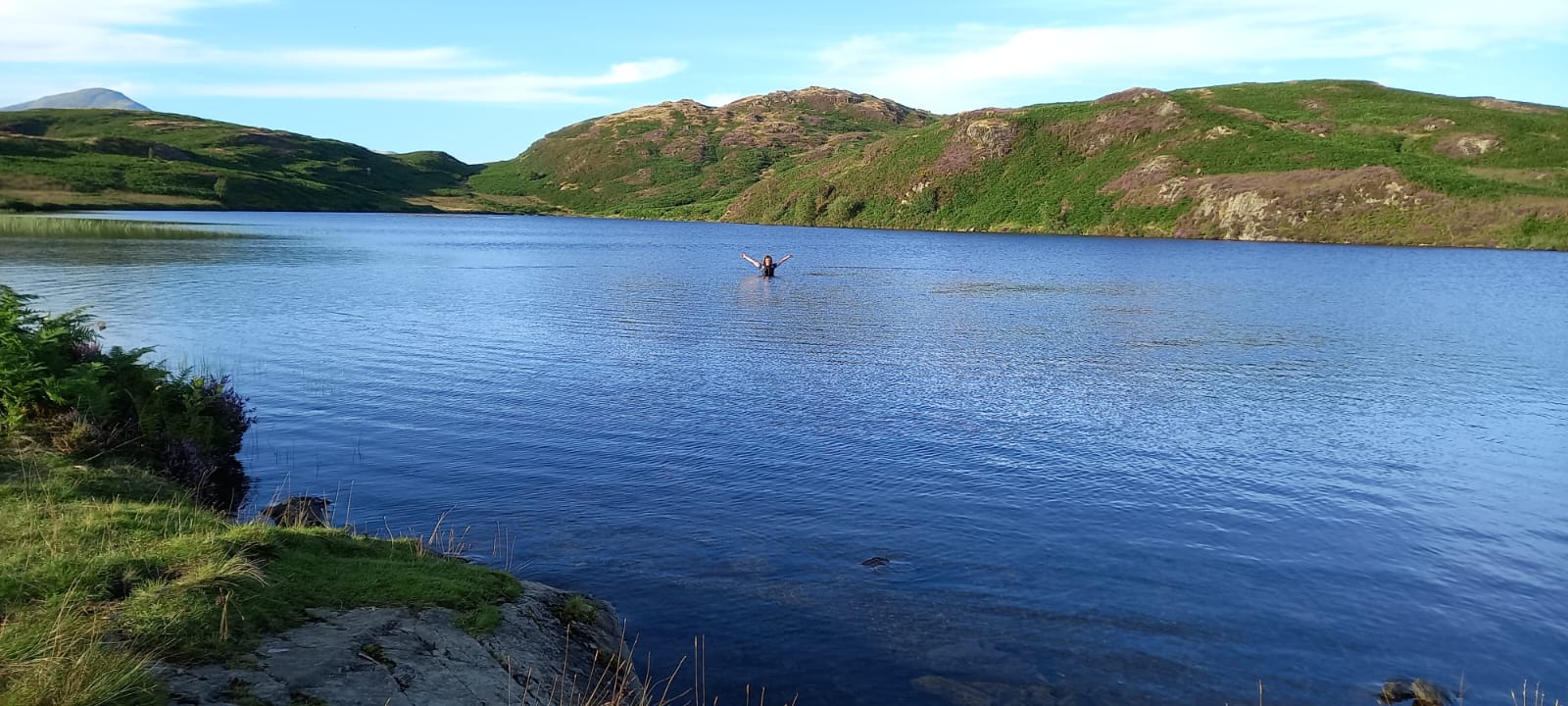
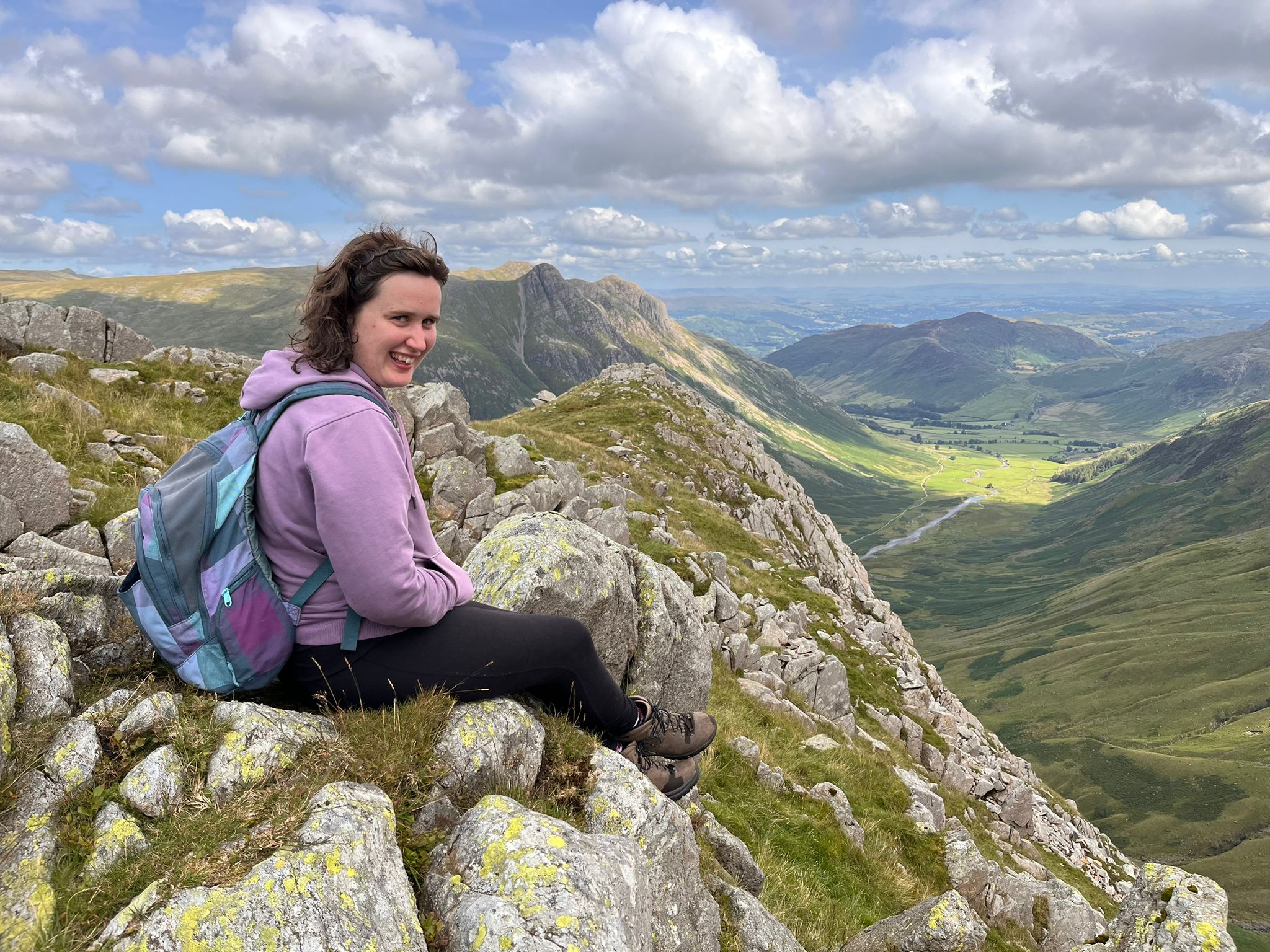
The last two years have been anything but easy, but recently, I’ve started climbing mountains again—with a full head of thick, curly hair. I can feel myself getting stronger day by day.
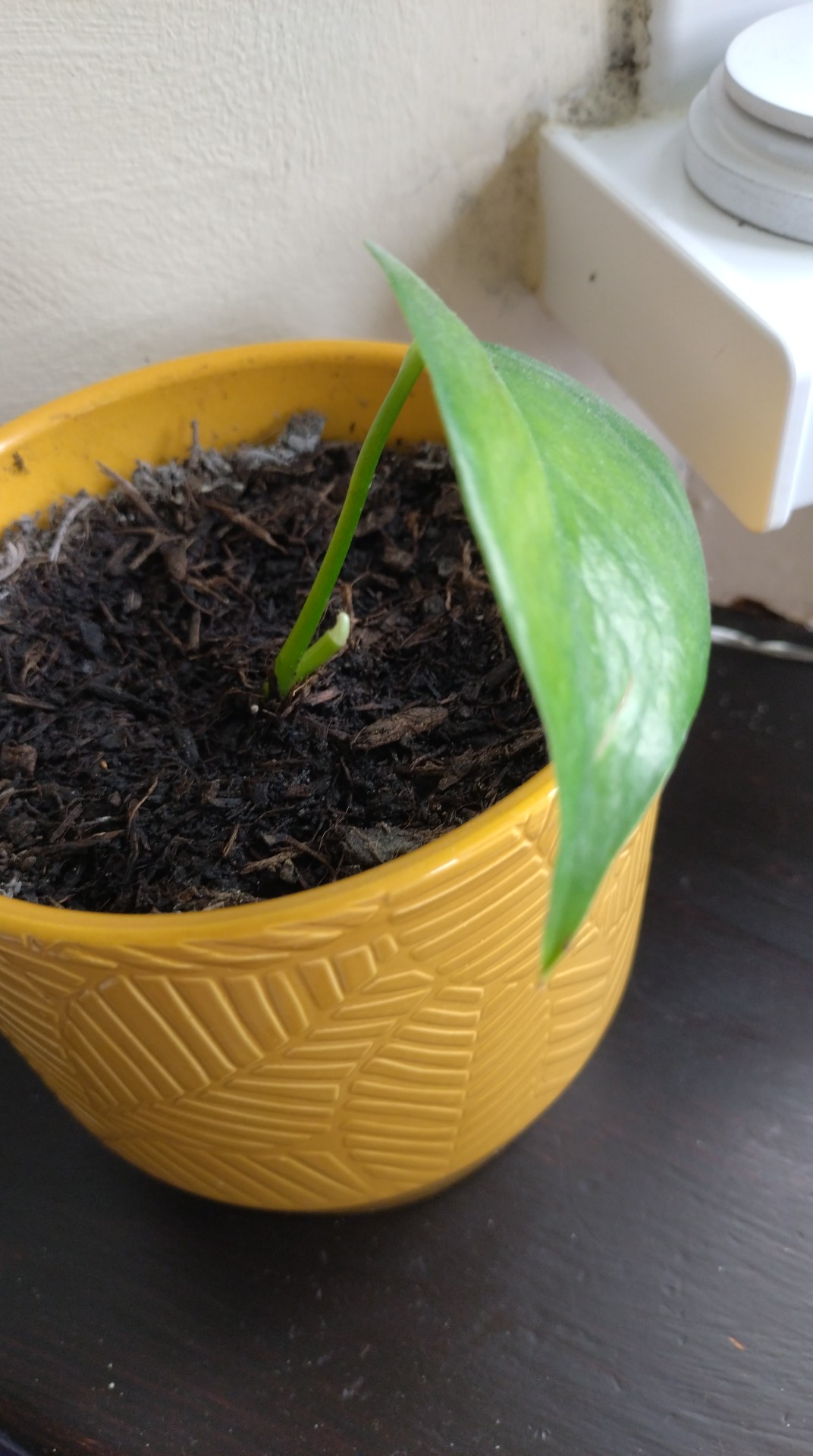
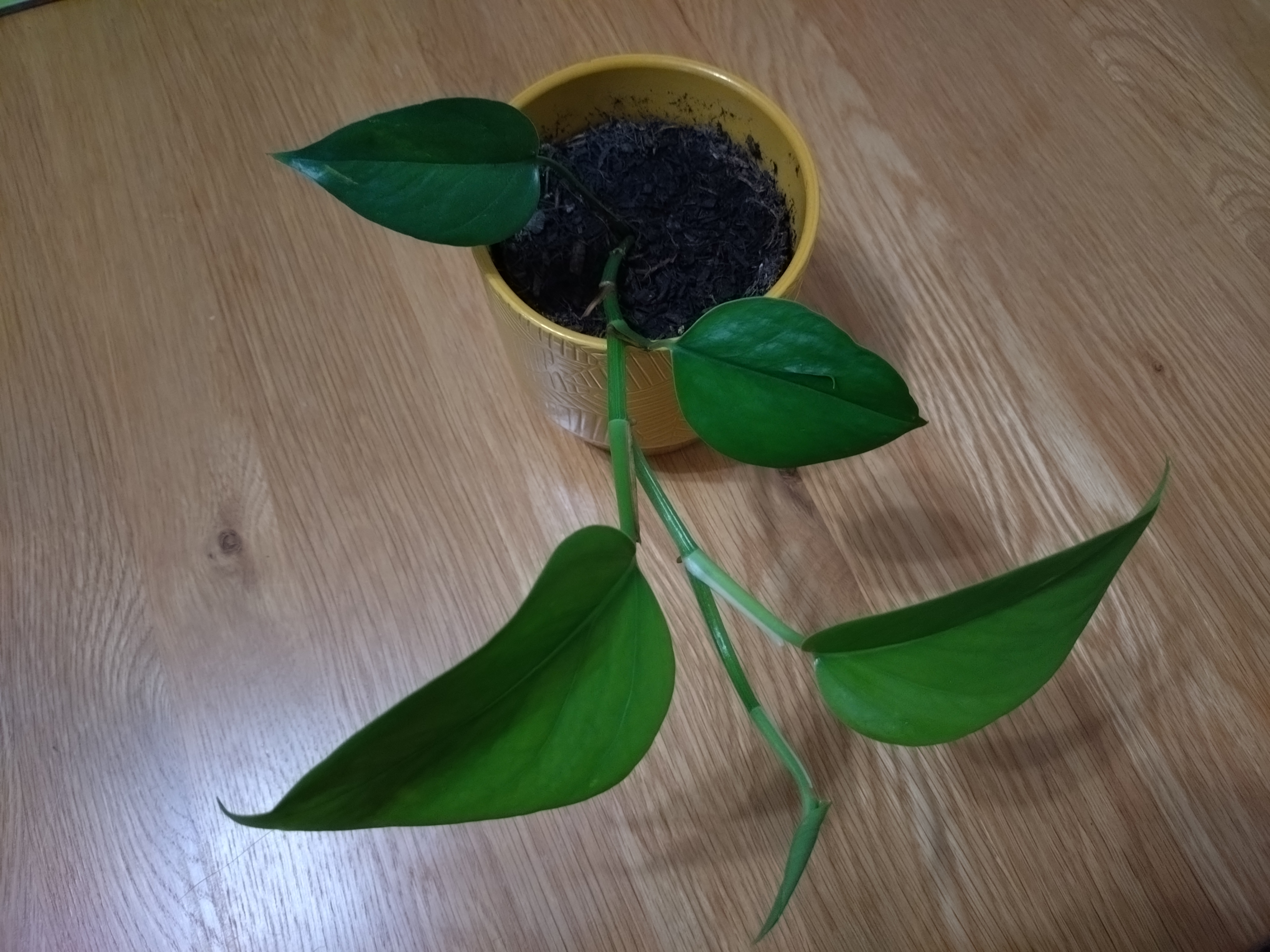
During chemo, one of my best friends gave me a Golden Pothos plant. Last year, I decided to propagate it, so, like any good millennial, I did a quick Google followed by a YouTube tutorial. I placed the cut stem in water, waiting for roots to form, then transferred it to a small pot of soil when they did. Then I waited. And waited. For MONTHS nothing happened. I was tempted to toss it in the compost and cut my losses, but the leaf still looked alive, so I gave it more time. Then, one day, a tiny shoot emerged. In the last few months, it’s grown nearly 30cm.
Change happens slowly until it happens all at once, and there’s so much hope for recovery in that.


- https://www.theguardian.com/society/article/2024/jun/02/cancer-rates-under-50s-rise-24-percent-obesity-junk-food-inactivity ↩︎
- https://www.scientificamerican.com/article/cancer-rates-are-rising-in-young-people-heres-what-you-need-to-know/ ↩︎
- https://www.mentalhealth.org.uk/about-us/news/survey-stressed-nation-UK-overwhelmed-unable-to-cope ↩︎
- https://www.psychologytoday.com/gb/basics/highly-sensitive-person ↩︎
 Laura writes...
wow!! 7On Health & Healing
LikeLike